Marsh plants versus other pond plants
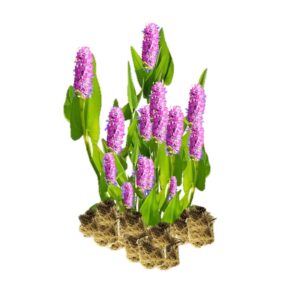
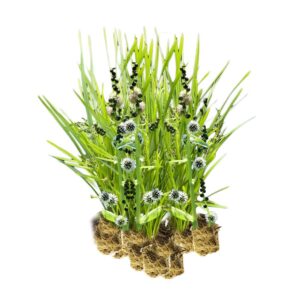
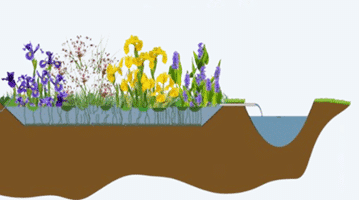
Marsh plants function differently from oxygenating plants or Water lilies. They are particularly well-suited for plant filters and marsh areas, where they are planted in large numbers.
While oxygenating plants primarily work within the water column and Water lilies provide Water lilies , marsh plants provide intensive filtration through their root systems.
That is why marsh plants are essential for:
How many marsh plants do you need?
When it comes to marsh plants, there’s one golden rule: better too many than too few.
Too few marsh plants means:
In practice, this often means you have to replant. That’s more expensive than using enough plants the first time around. Using too many plants isn’t a problem. You can always easily remove any excess plants, though that’s almost never necessary.
More plants means:
-
faster performance
-
more stable water quality
-
less chance of algae growth
-
less maintenance down the road
That's why the rule is: more is better.
In what forms are marsh plants available?
To make this as easy as possible, we offer marsh plants in two varieties.
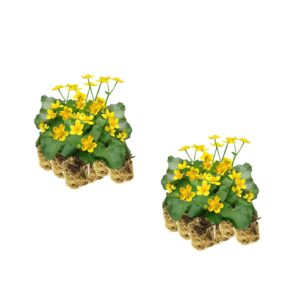
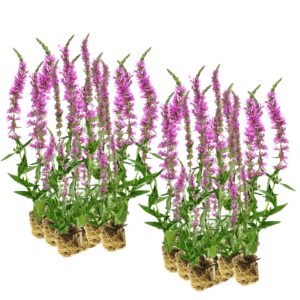
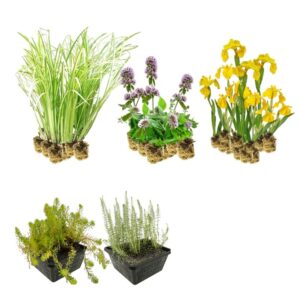
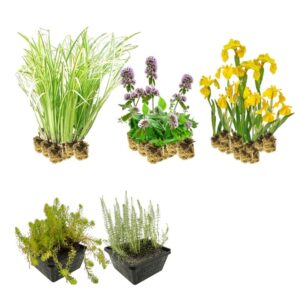
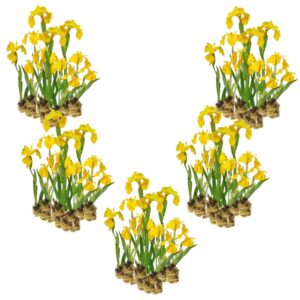
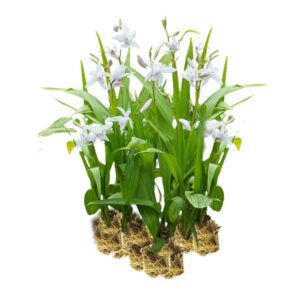
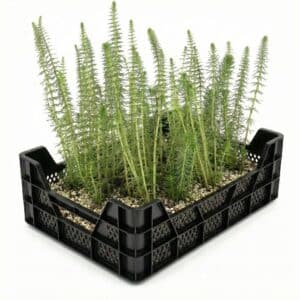
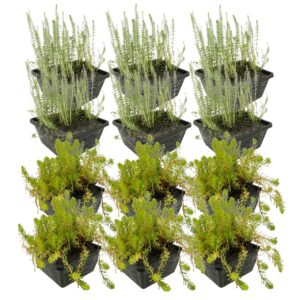
Individual marsh plants (pack of 15, 30, or 100)
This option is ideal if you:
Individual plants offer maximum flexibility and are suitable for larger areas or filters.
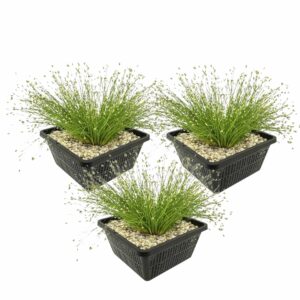
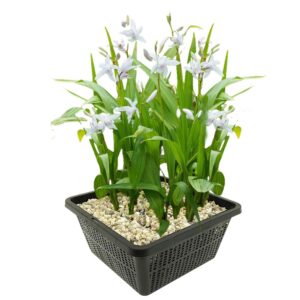
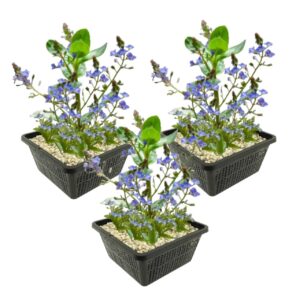
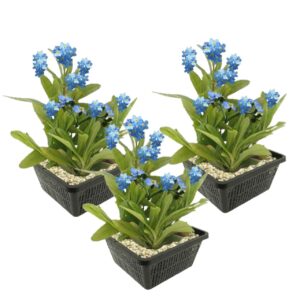
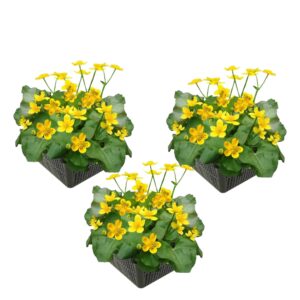
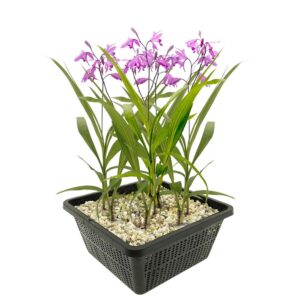
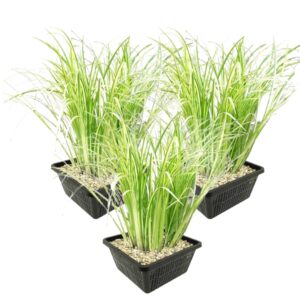
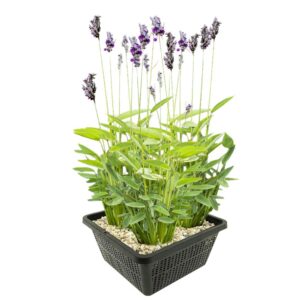
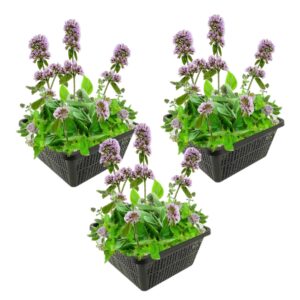
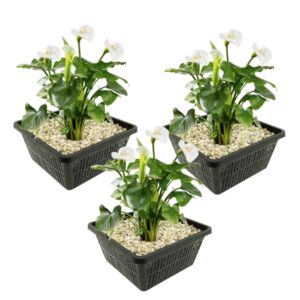
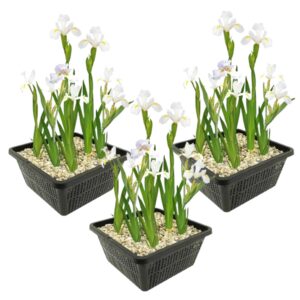
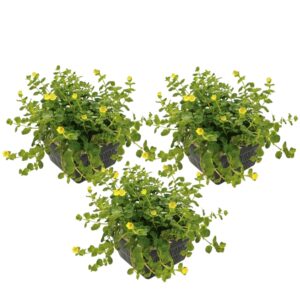
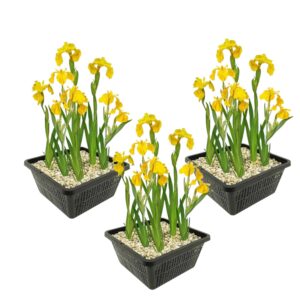
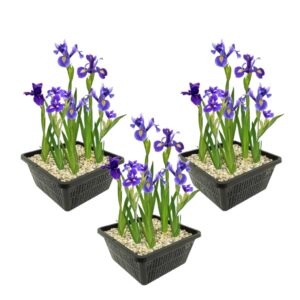
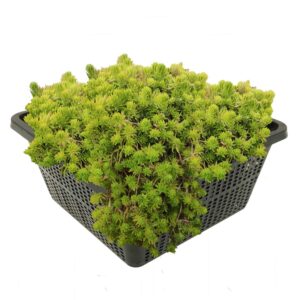
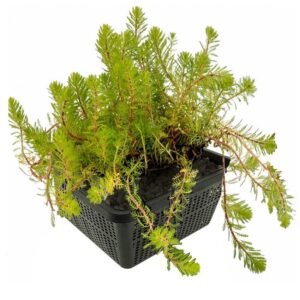
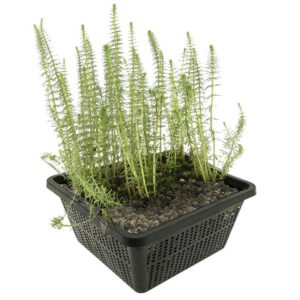
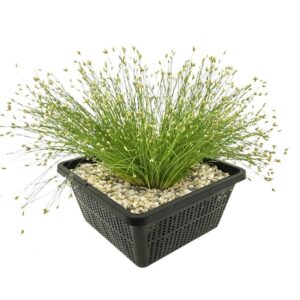
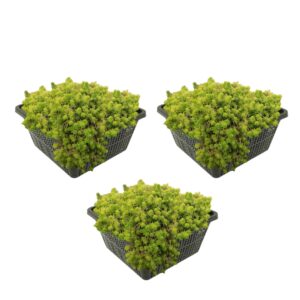
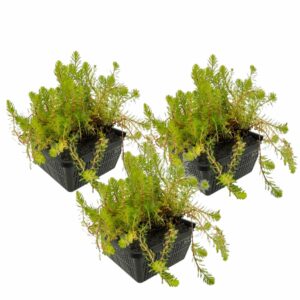
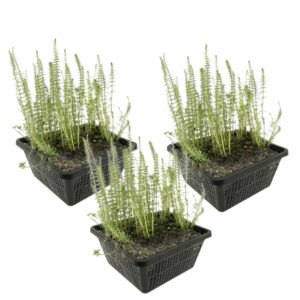
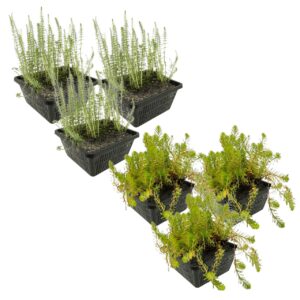
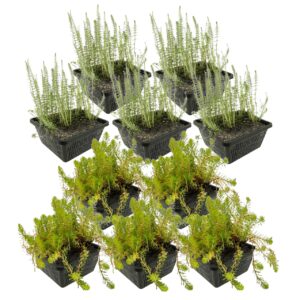
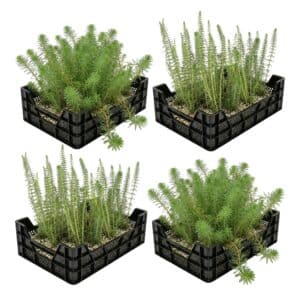
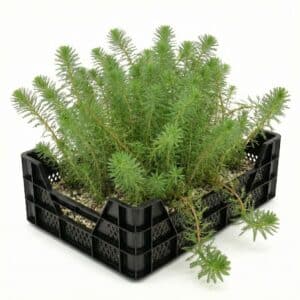
Marsh plants in a basket (4 plants per basket)
These plants are sold in sets of four in a 19 × 19 × 10 cm basket.
This is ideal if you:
-
you don't have a distinct marsh edge
-
want to place right along the edge of the pond
-
do not want to apply a substrate
You can place the baskets directly in the water, where they immediately provide a stable base.
Which option will you choose?
No matter which variety you choose, always make sure you have enough of them. That’s what determines the outcome—not just the type of plant.