

Step 2: Algae Control
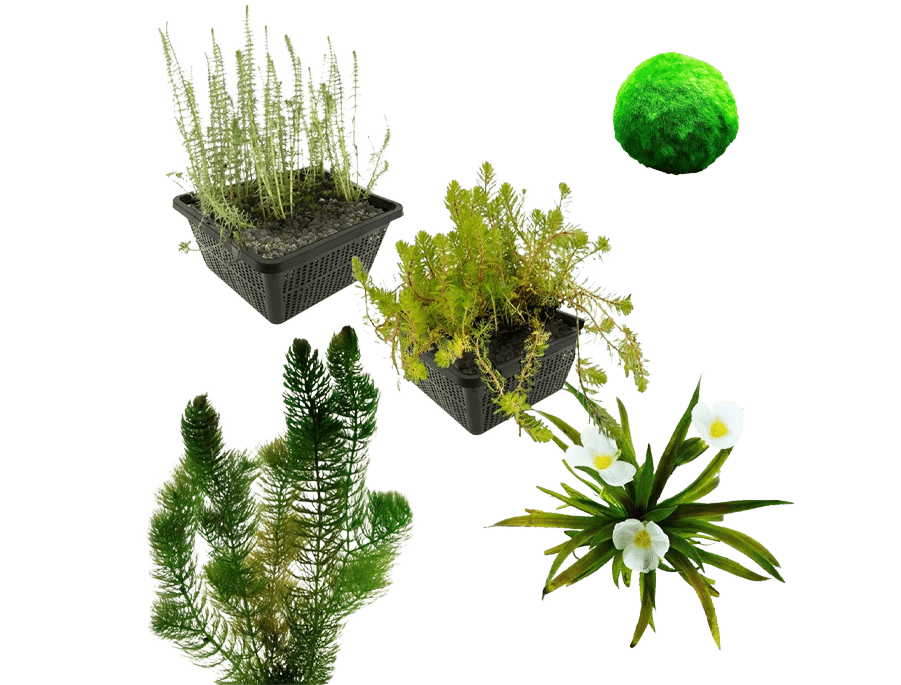
Oxygenating plants: for crystal-clear water
With the right varieties and in sufficient quantities, they compete with algae and ensure that your pond water becomes crystal clear and stays that way.
Simon's advice
At least 20 oxygenating plants
Do these pond problems sound familiar?
Not enough oxygenating plants is the main cause of algae and cloudy water
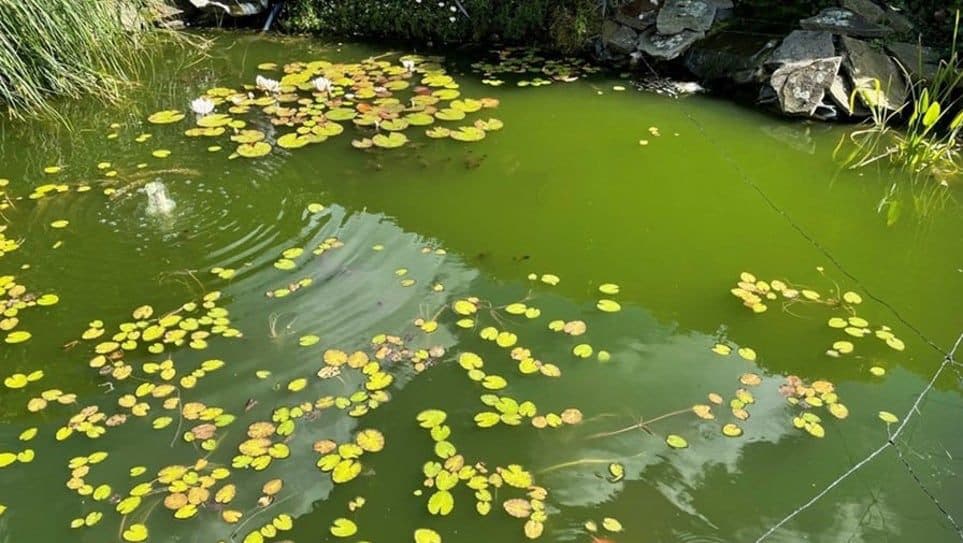
Green water (floating algae)
Microscopic algae turn the water green. You can no longer see the bottom, and the water often feels sticky. This is caused by an excess of nutrients in the water.
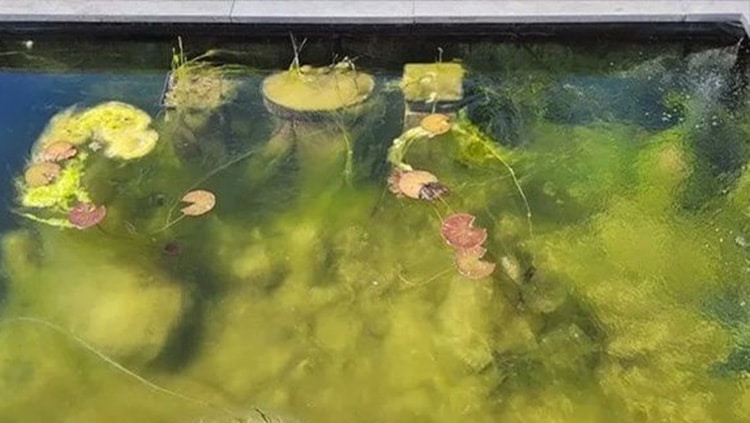
Thread algae on plants
Slimy green strands that cling to everything: plants, rocks, the pond wall. They grow mainly in shallow water where there is plenty of light.
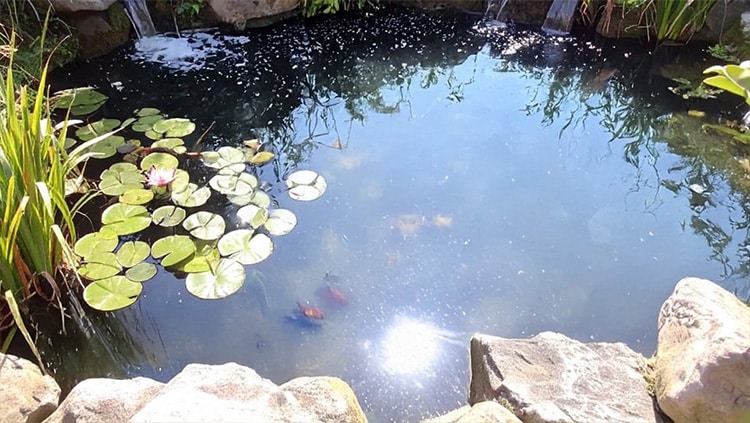
Disturbed balance
Algae are plants too, but they grow much faster. They consume oxygen, choke out other plants, and make your pond unhealthy for fish and Aquatic plants.
Oxygenating plants are essential in any pond. With enough oxygenating plants, the water stays clear and healthy, even without a pump or filter. They absorb nutrients, inhibit algae growth by blocking light, and provide hiding places for fish. Skimping on oxygenating plants is asking for trouble. The denser your planting, the less chance algae have to grow.
How oxygenating plants control algae
A natural system that works for you day and night
Produce oxygen
Oxygenating plants release oxygen into the water during the day. This keeps your fish healthy and the bacteria active.
Extracting nutrients
They eat the same food as algae. No leftover nutrients = no algae.
Block sunlight
A dense underwater "jungle" blocks sunlight, preventing algae from growing.
Cool the water
Less sunlight = cooler water. Algae thrive in warm conditions, so this significantly slows their growth.
Protecting fish
The perfect hiding spot from herons and other predators. Fish feel safe.
Operates 24/7
No electricity, no maintenance, no costs. Nature does the work for you.
Choose your oxygenating plants
For clear water and algae control
Oxygen-producing plants deprive algae of their nutrients and help maintain the water's balance.
Rule of thumb: at least 20 plants per 1,000 liters
Can’t decide between two sizes? Go with the larger one.
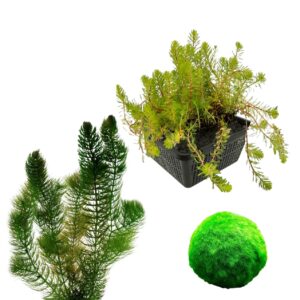
Oxygen-Producing Plants Package400
• Clarifies water and prevents algae
• Contains 11 hardy oxygenating plants
• For ponds ranging from 100 to 400 liters
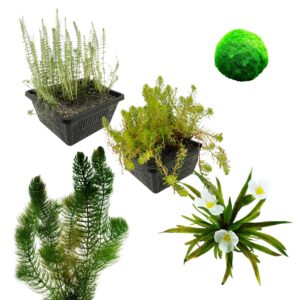
Oxygen-Producing Plants Package1.250
• Clarifies water and prevents algae
• Contains 26 hardy oxygenating plants
• For ponds ranging from 500 to 1.250 liters
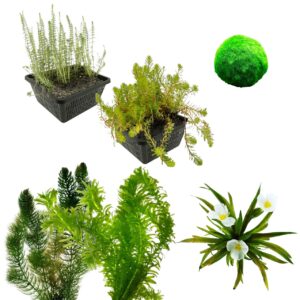
Oxygen-Producing Plants Package3.000
• Clarifies water and prevents algae
• Contains 70 hardy oxygenating plants
• For ponds ranging from 1.500 to 3.000 liters
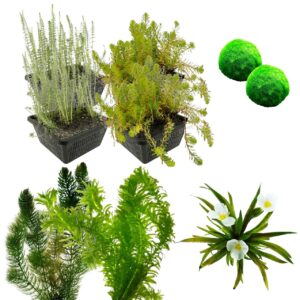
Oxygen-Producing Plants Package6.000
• Clarifies water and prevents algae
• Contains 130 hardy oxygenating plants
• For ponds ranging from 3.500 to 6.000 liters
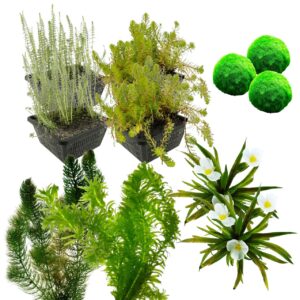
Oxygen-Producing Plants Package10.000
• Clarifies water and prevents algae
• Contains 228 hardy oxygenating plants
• For ponds ranging from 6.500 to 10.000 liters
What others are saying
More than 2,800 satisfied pond enthusiasts have already chosen us
Our customers give us an average rating of 4.7/5 ⭐⭐⭐⭐⭐
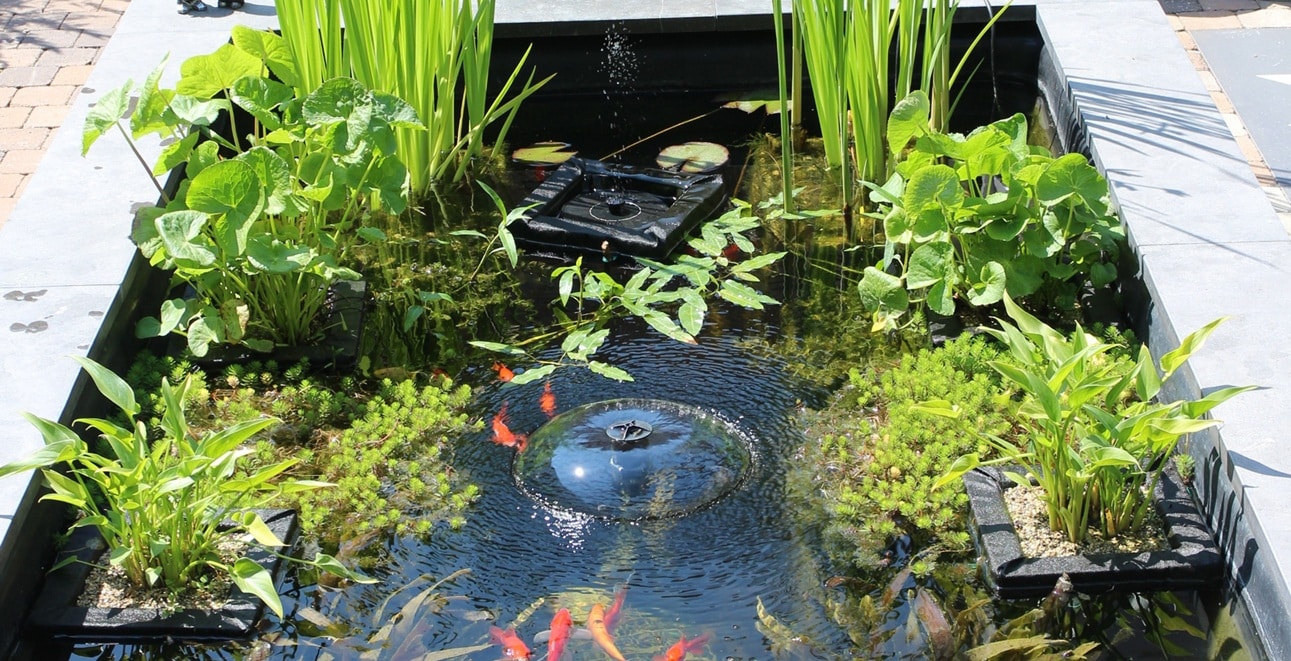
“After a month, my green soup was crystal clear! The oxygenating plants were thriving, and the algae disappeared in the blink of an eye. An incredible result.”
— Benthe de Vries
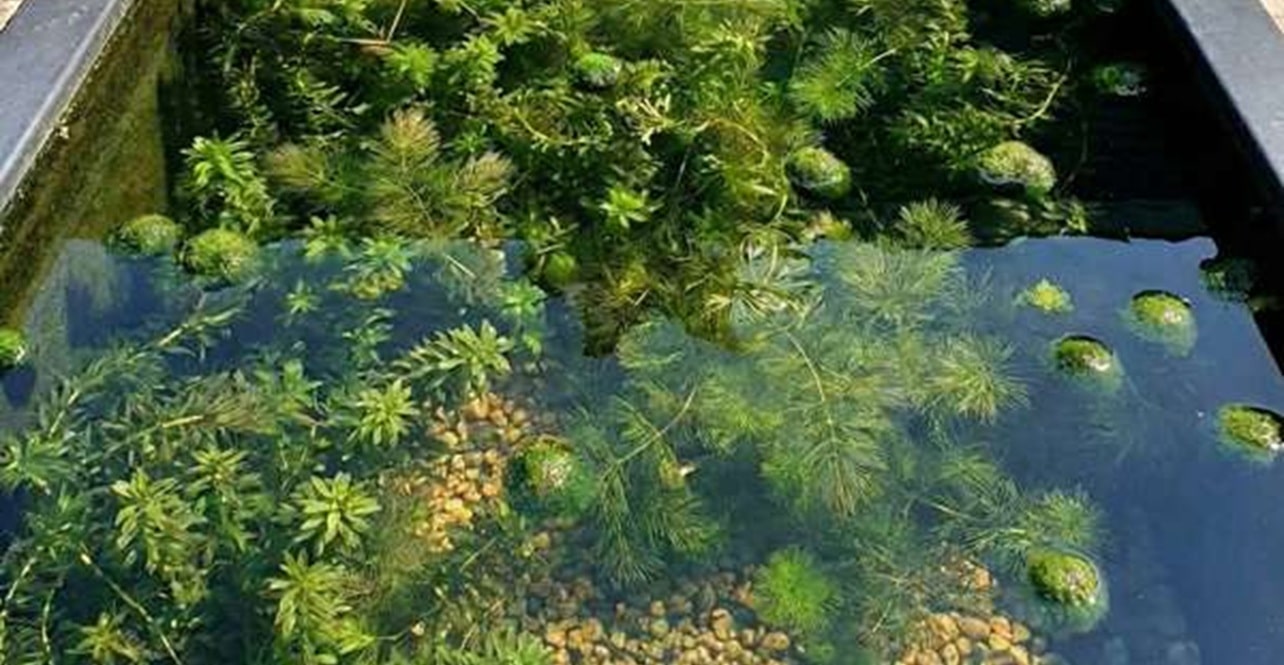
“I struggled with thread algae for years. After following Simon’s advice and adding plenty of oxygenating plants, the problem disappeared. No more chemicals needed!”
— Ulf Schneider
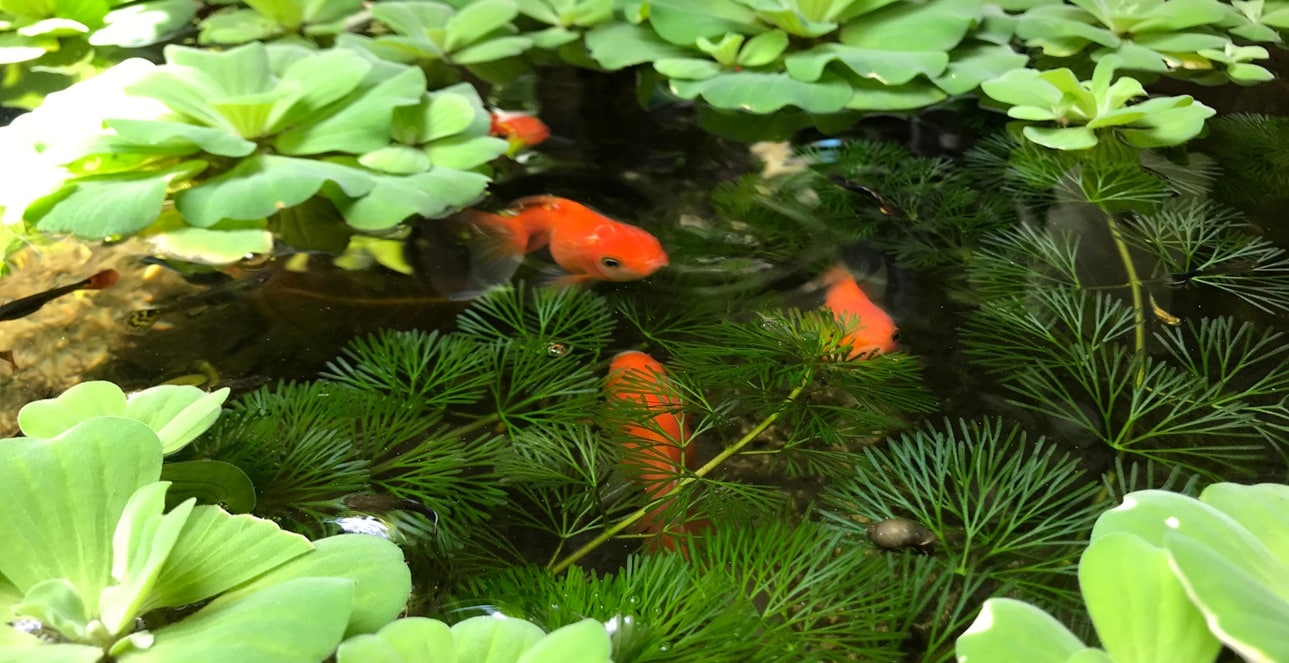
“My fish are now happily swimming among the plants. The water stays clear, and I can finally see what’s going on in my pond again. Great!”
— Bruno Maes
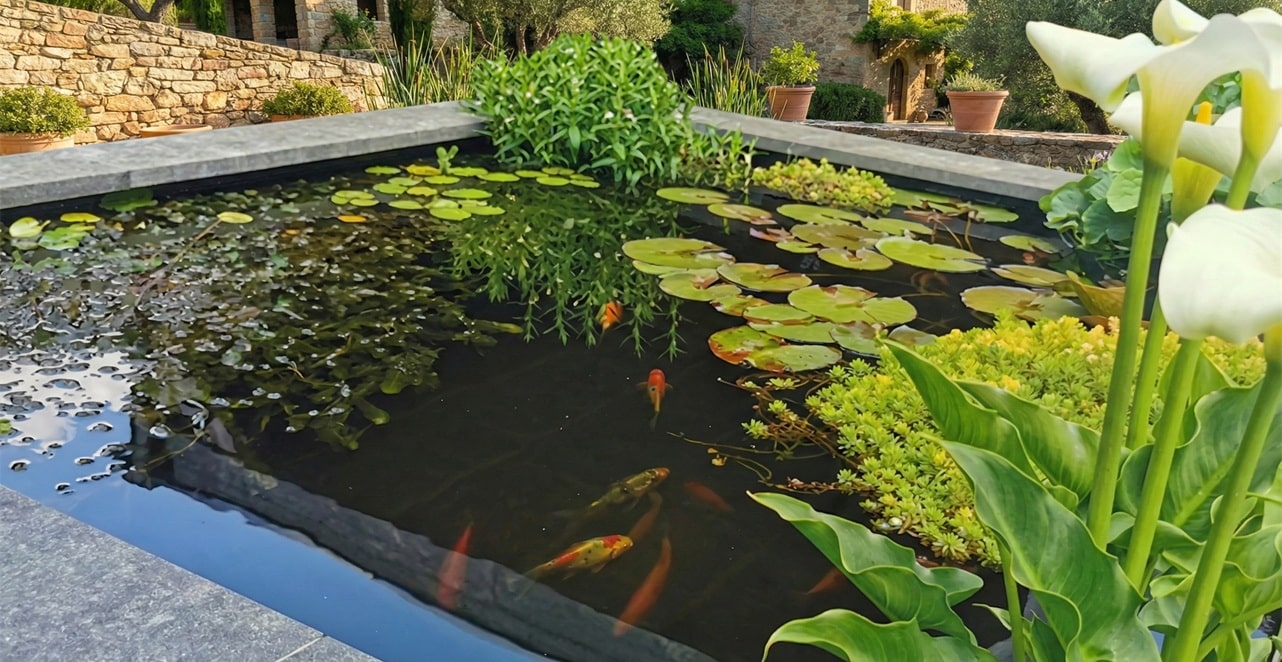
“We followed the pond care advice and added plants as recommended. The difference is clear: there’s less algae, and the water is clear again. It’s great that everything was resolved naturally.”
— Luc Moreno
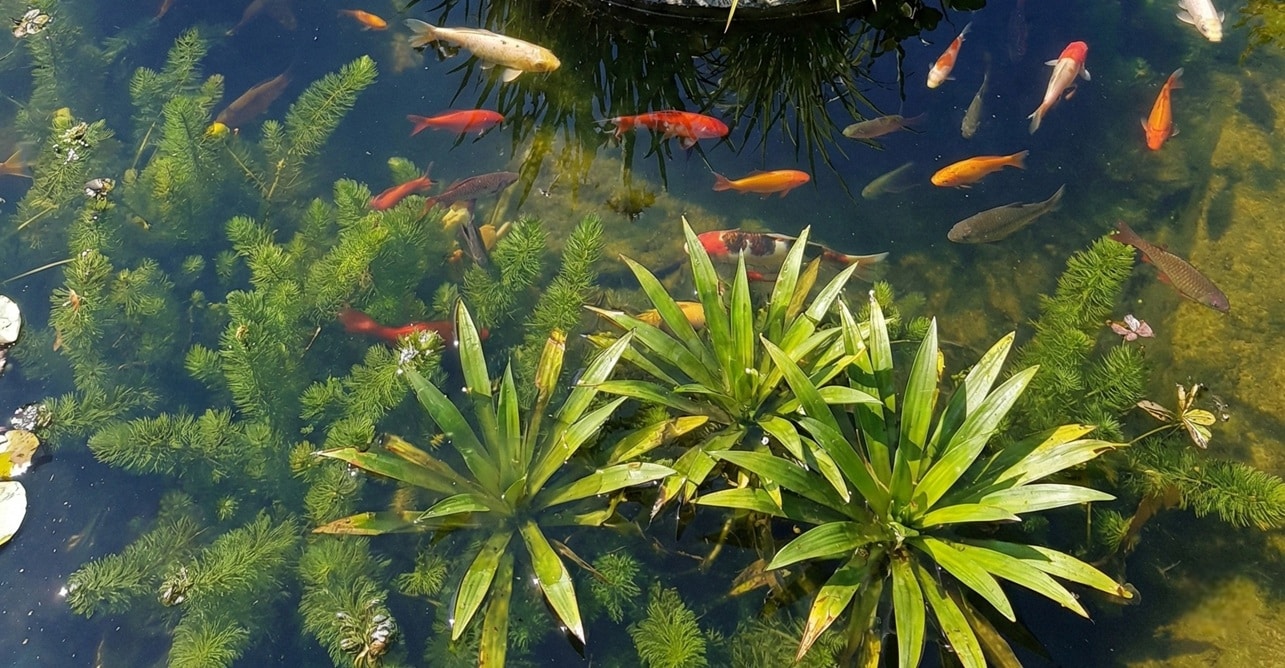
“I was a bit nervous about this purchase because everywhere you read that you need a pump. I decided to follow the advice anyway and went with plants. In hindsight, my doubts were unfounded—the water is clear and everything is now running completely naturally.”
— Stephan Richard
Frequently Asked Questions About Oxygen-Producing Plants
Simon’s rule of thumb is clear: 15–20 oxygenating plants per 1,000 liters of pond water. Do you have 2,000 liters? Then you’ll need 30–40 plants. More is always better—you can never have too many oxygenating plants. The denser your planting, the faster you’ll be algae-free.
Yes! Oxygenating plants combat both floating algae (green water) and filamentous algae. They absorb the nutrients that algae feed on and block sunlight. Combine them with Water lilies Step 3) for maximum effect. Expect results within 4–6 weeks.
The best time is between March and September, but you can actually plant them year-round. They are 100% hardy and will start growing as soon as the water warms up. Plant them as early in the season as possible for maximum algae control in the summer.
Actually, no! They regulate themselves. If they grow too densely, you can remove some of them in the fall. But always leave at least half of them in place—they continue to work during the winter. The more biomass, the better the water quality.
Some fish (such as grass carp and koi) may nibble on oxygenating plants. No problem—just plant a few extra so there are plenty left. The benefits (oxygen, shelter, algae control) far outweigh a little nibbling.
Give it time—algae control takes 4–6 weeks. Make sure you have enough plants (15–20 per 1,000 L), add STEP ONE (Step 1), and plant Water lilies Step 3). This combination always works. Is it still green? Contact us—we’ll help you out for free.