

Plant filter
Plant filter
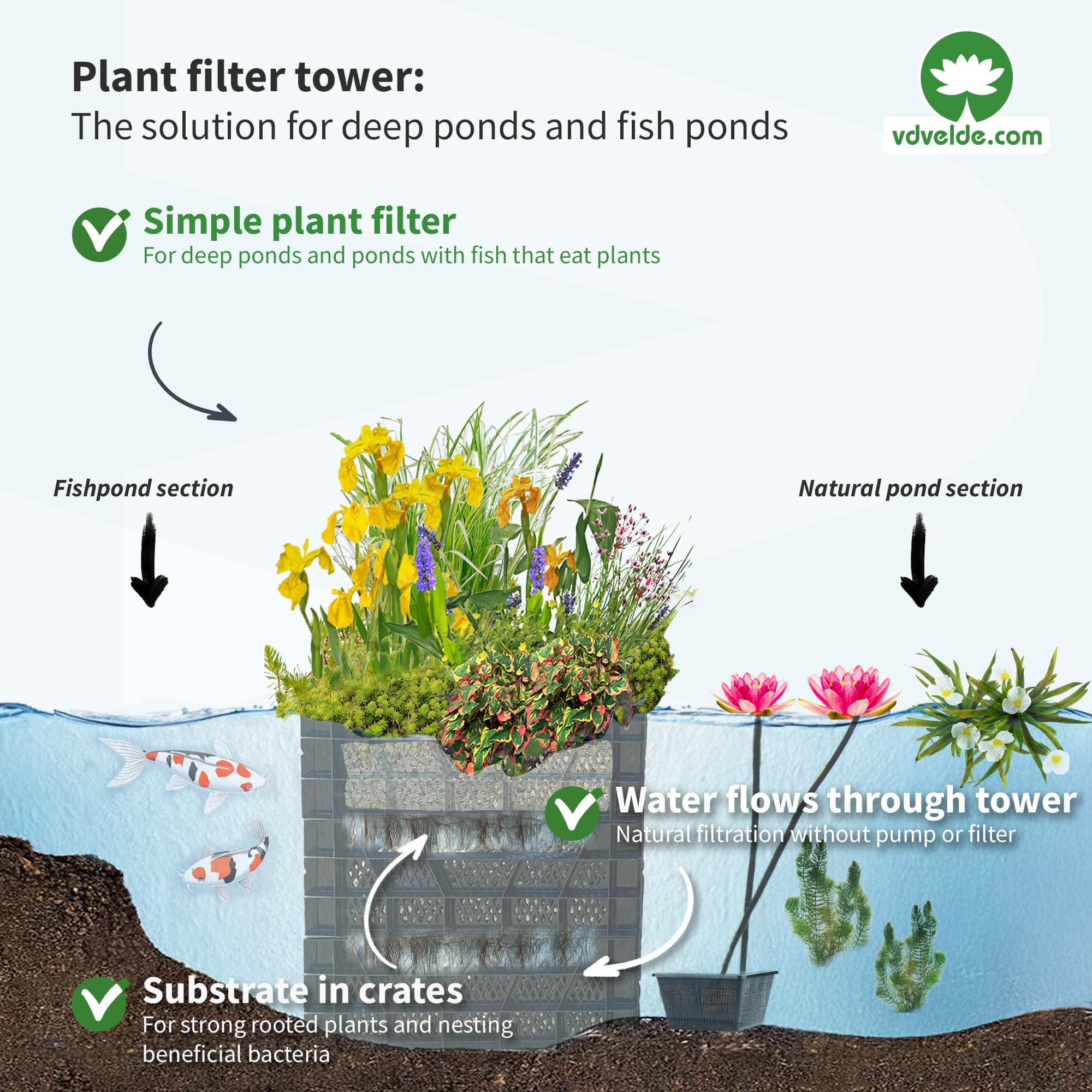
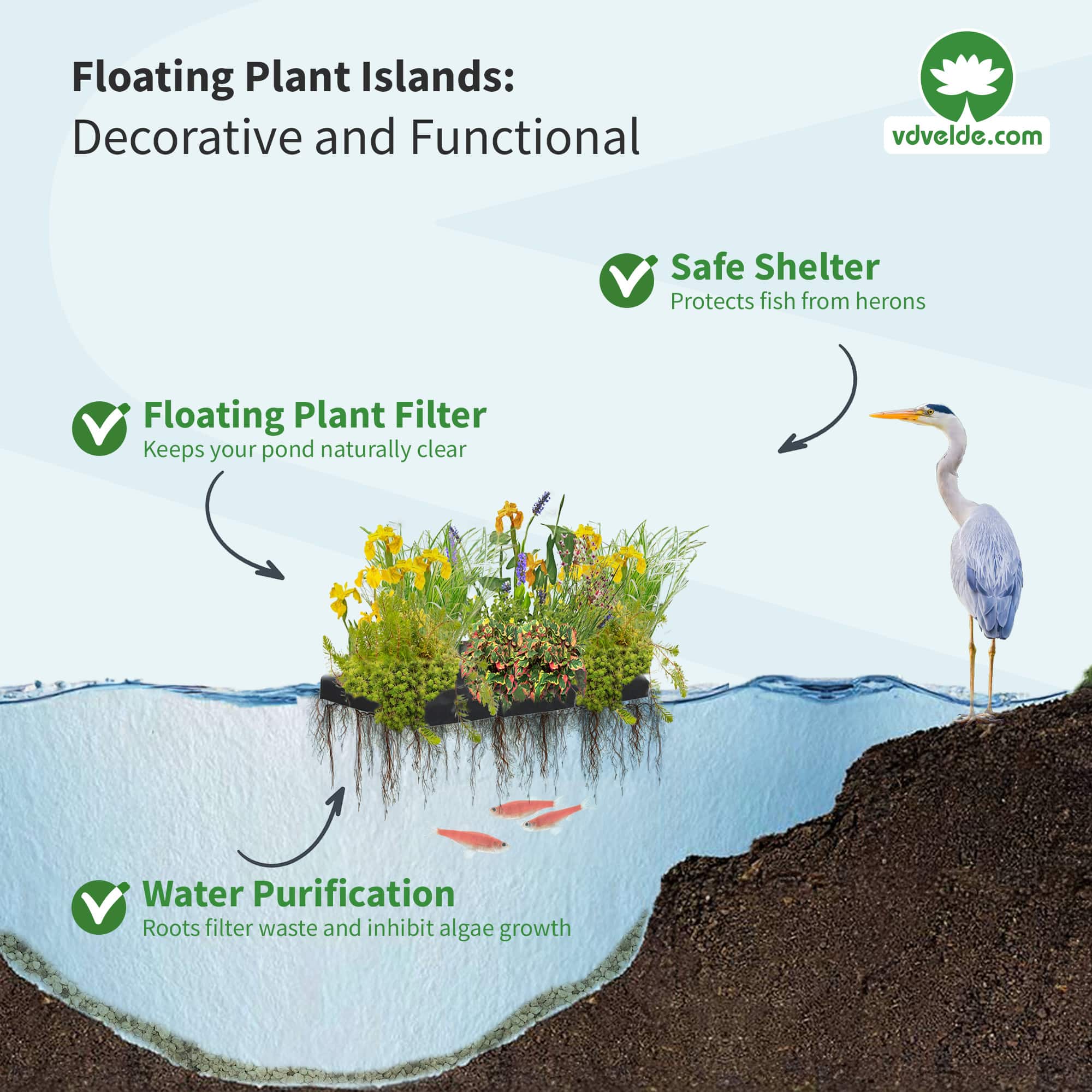
Whether you have a swimming pond, a koi pond, or a natural pond, a plant filter ensures clear water with minimal maintenance and brings more life to the pond and its surroundings. Choose from three ready-made options or build your own self-regulating plant filter.
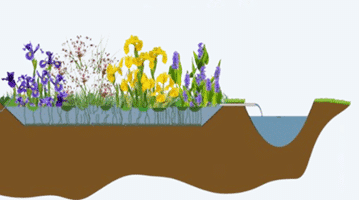
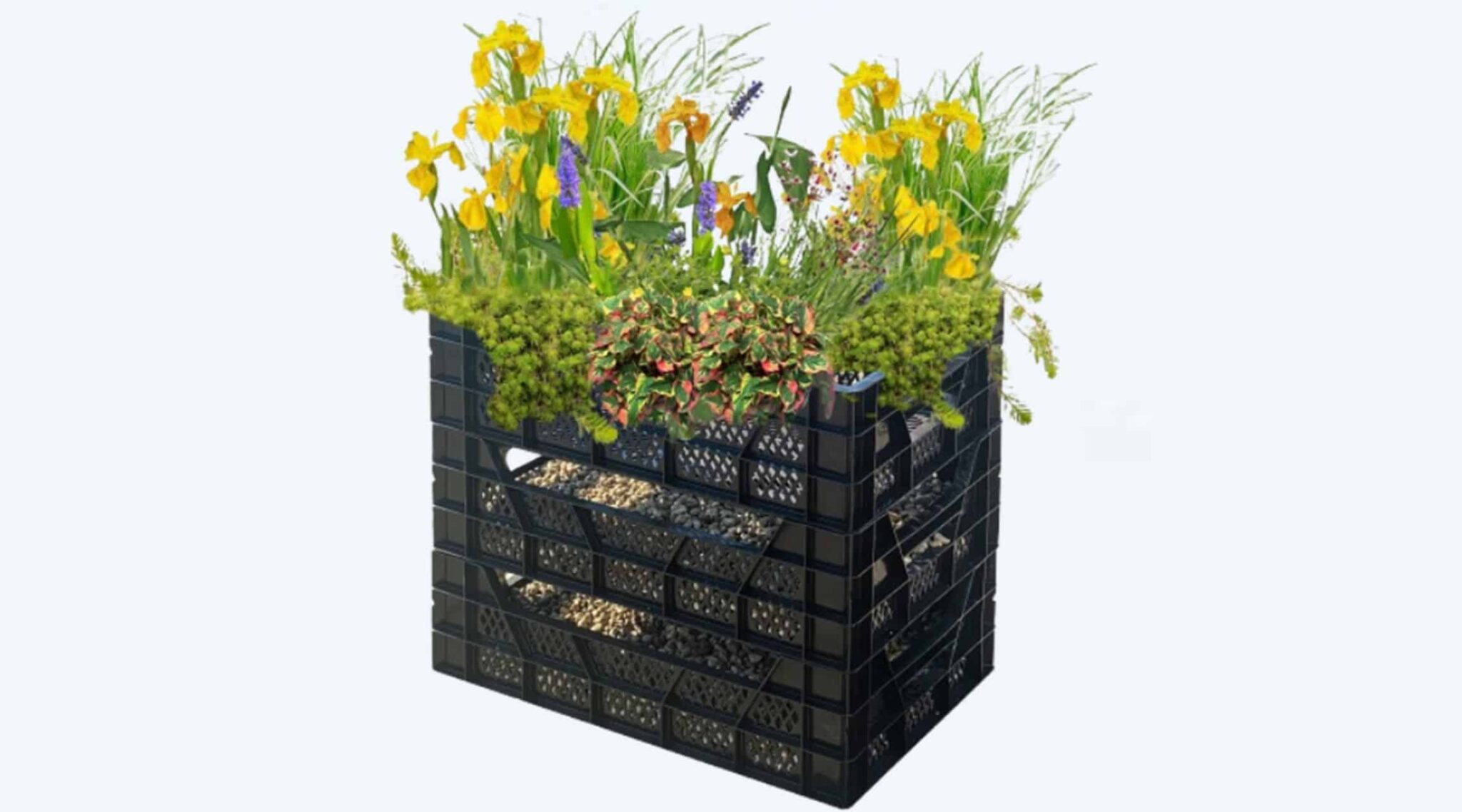
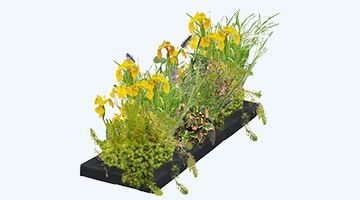
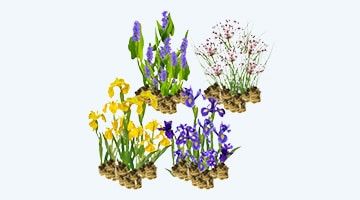
3 natural filtration methods, ranked from best to simplest
Simon van der Velde
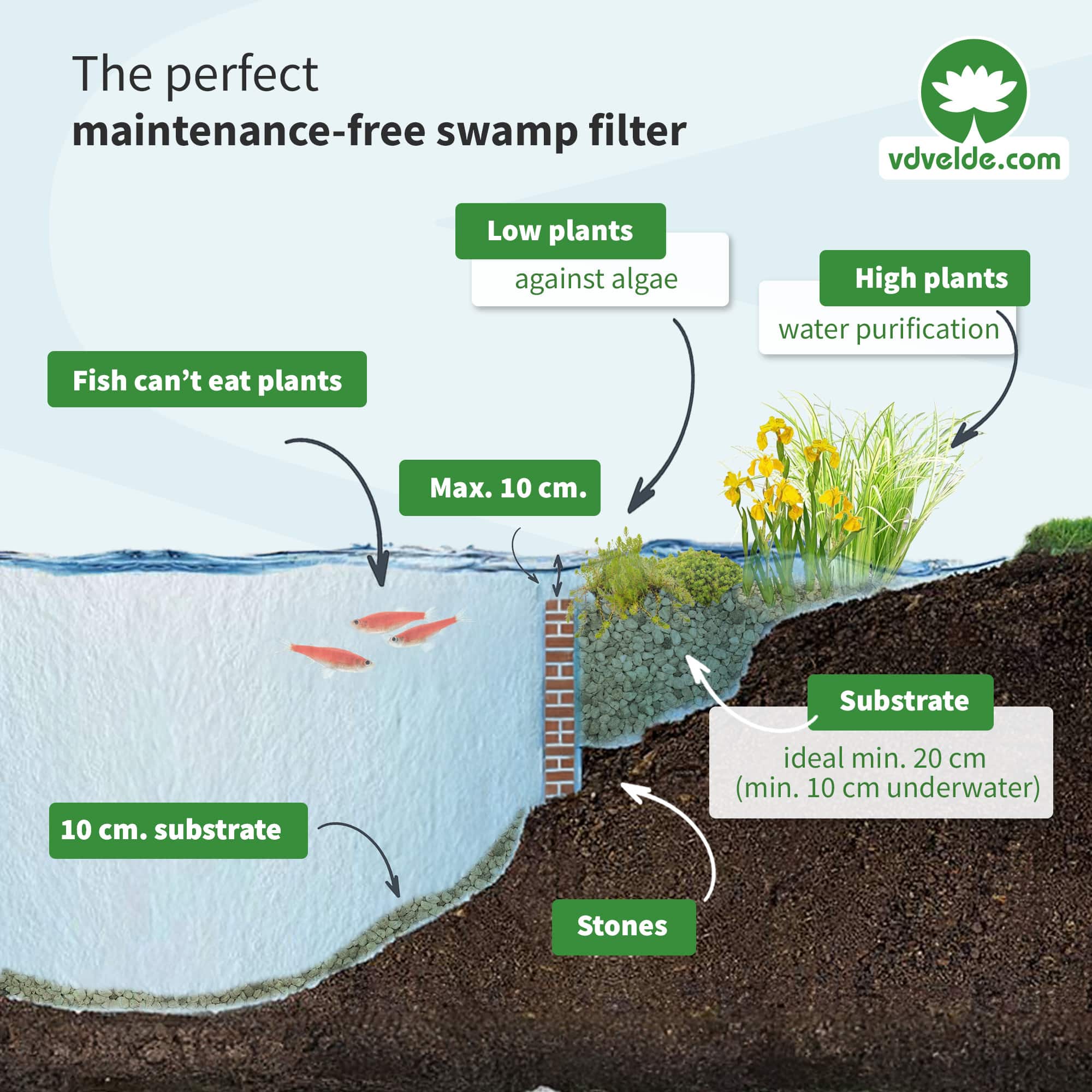
3 essentials for a maintenance-free plant filter
Get a
gift card
€20.00

Would you like some more helpful tips for a healthy and clear pond?
In *Simons Pond book you Pond book spot common mistakes and discover exactly how to properly construct and plant your pond. It includes a simple planting plan that you can use right away.
Save at least €200 on a small pond and thousands of euros on a large pond.
Frequently Asked Questions About a Plant Filter

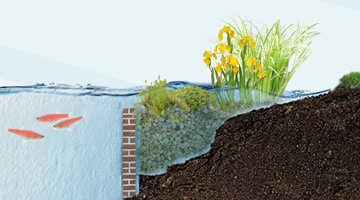
Ideally, set aside 1/3 to 2/3 of the pond’s surface area for a plant filter. A total depth of 30 cm works best. Use 20 cm Pond substrate in this area Pond substrate the roots have enough space and the filter can purify the water as effectively as possible. About 10 cm of water remains above the substrate. Because the filter area is smaller than the rest of the pond, extra substrate is needed here to ensure proper functioning.
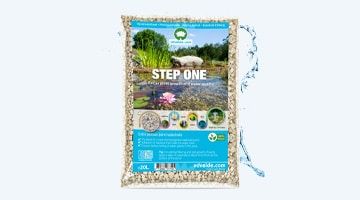
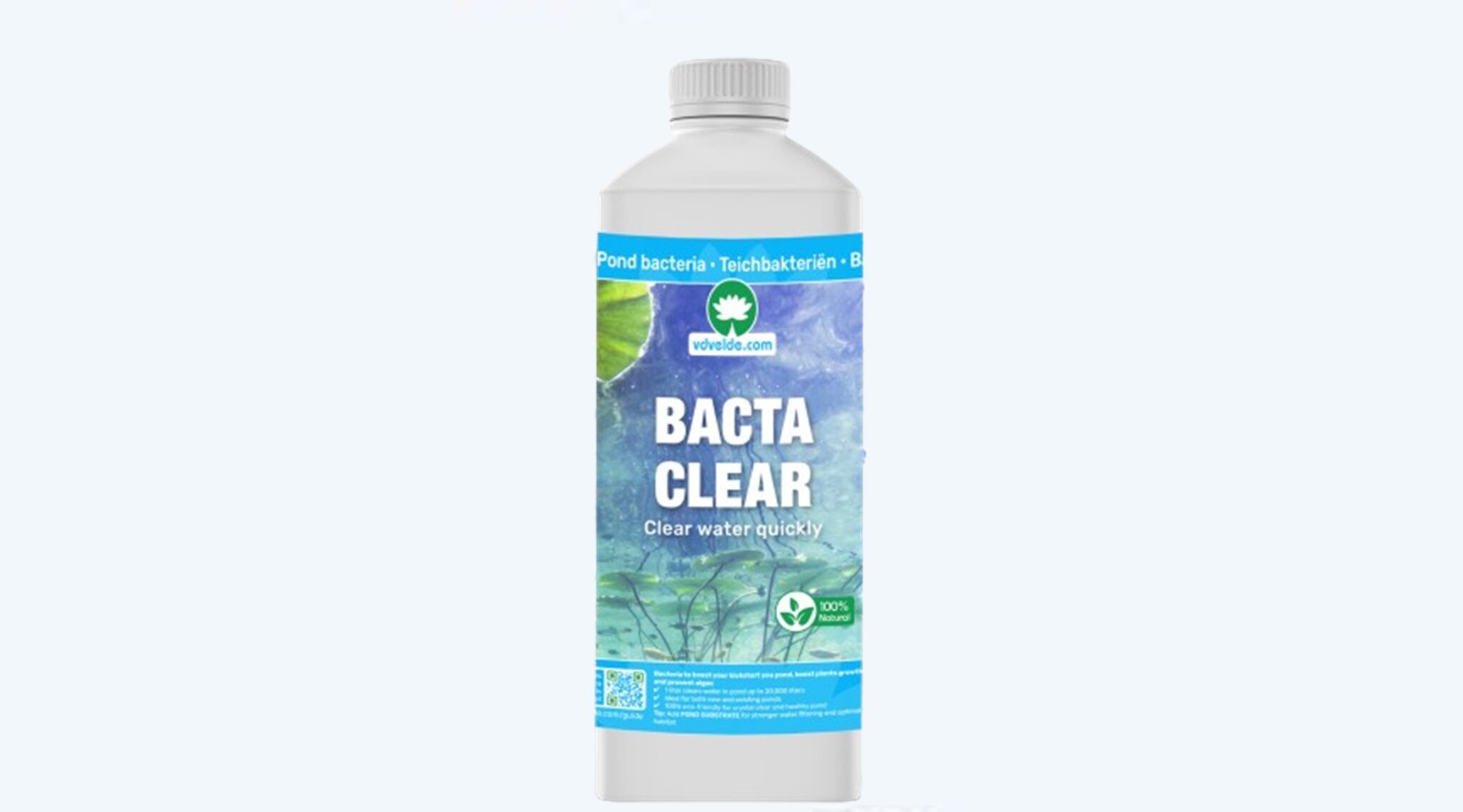
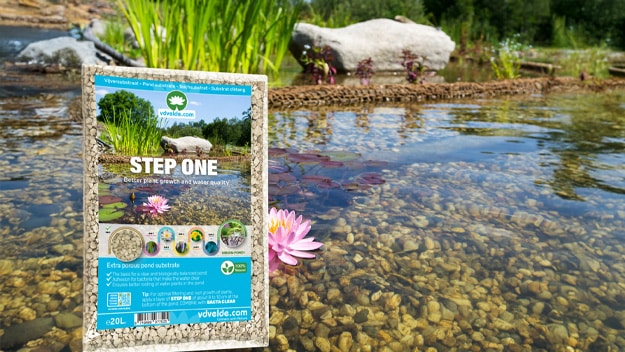
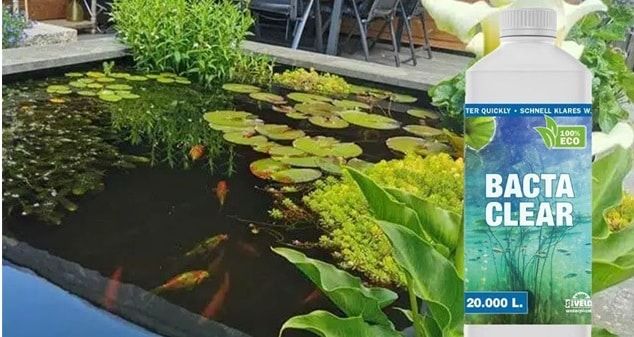
A well-designed plant filter requires very little maintenance. With Pond substrate good Pond substrate (STEP ONE), the right plants in sufficient quantities, and regular additions of Pond bacteria BACTA CLEAR), the system will naturally remain stable. Pruning is not required. If you do wish to perform maintenance, simply remove the dead flowers in the fall. The actual pruning should be done in the spring. In the fall, leave the leaves on the plant, as they protect it.