

Step 1: Filter Bed
Pond substrate: the foundation of the pond
A good filter substrate is essential for clear water. With STEP ONE , you STEP ONE a natural filtration system that prevents algae from taking hold.
Simon's advice
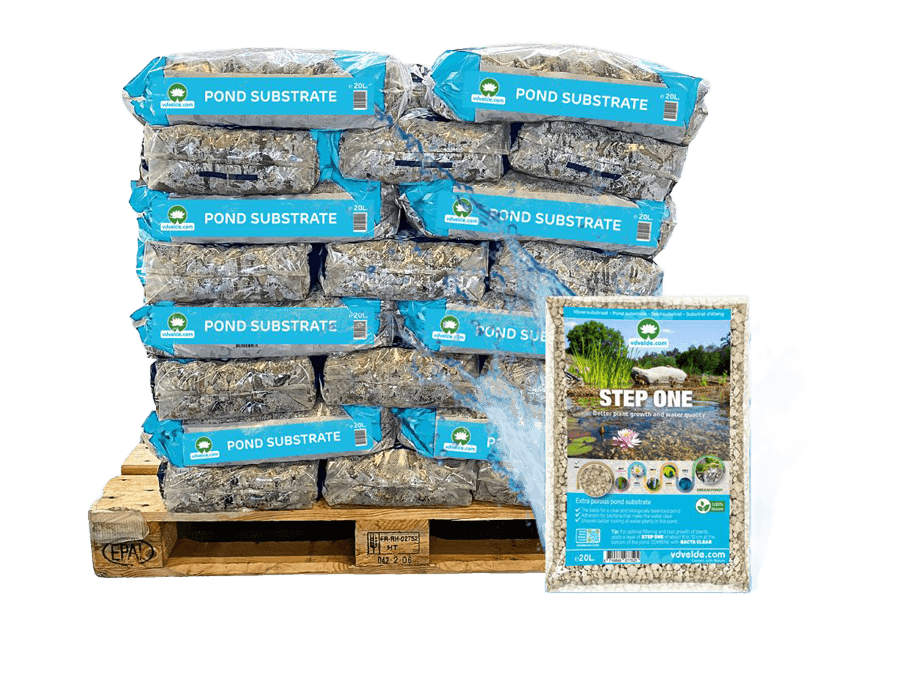
80 liters per square meter
Why a good filter substrate is essential
I've seen it all in ponds: clay, soil, sand, lava, gravel. Many materials are inexpensive, but few actually work well.
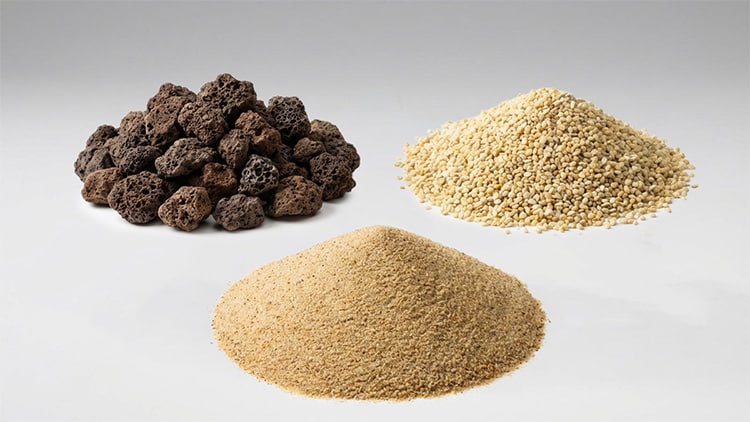
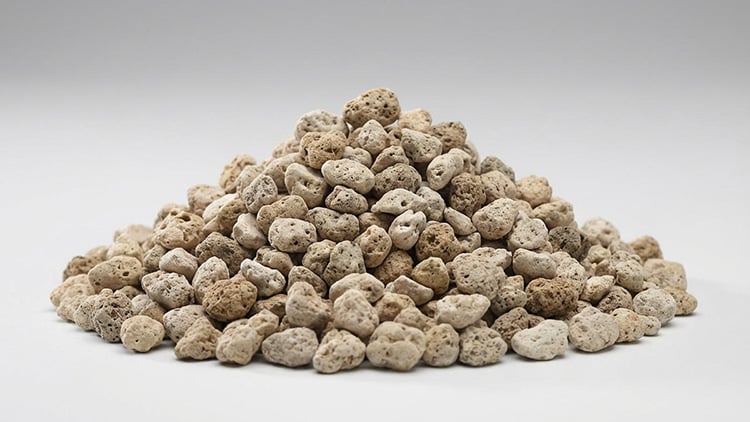
For an optimal filter bed, you need a growing medium that is both purifying and porous. When plants thrive in the filter bed, they develop deep roots, grow vigorously, and naturally purify your water. STEP ONE Pond substrate wasPond substrate based on all these tests—the perfect filter bed for any pond.
6 Benefits of STEP ONE
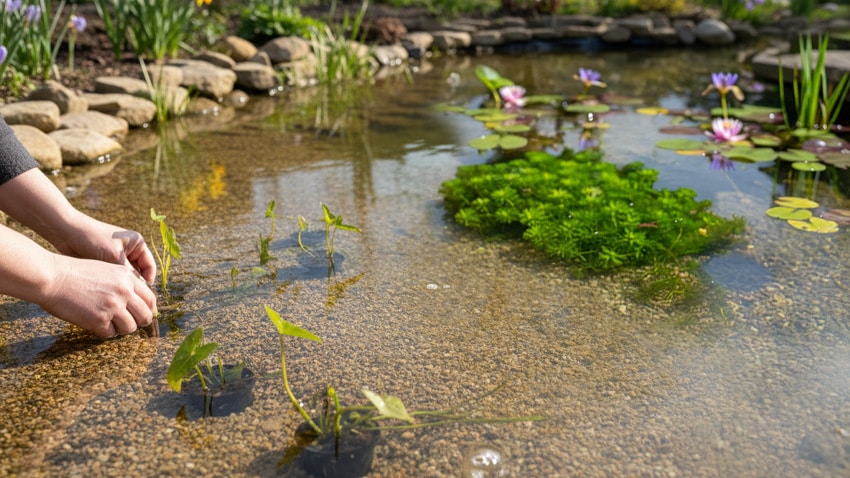
Bacteria House
The porous filter substrate provides the perfect environment for bacteria to break down waste. This creates a natural biological filter in your pond bottom.
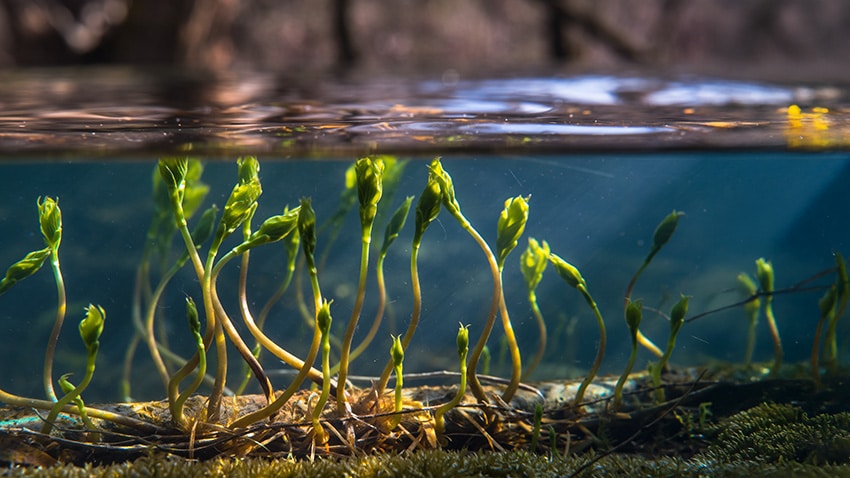
Strong roots
Plants develop deep, stable roots without rotting. They get just the right amount of air and support for explosive growth.
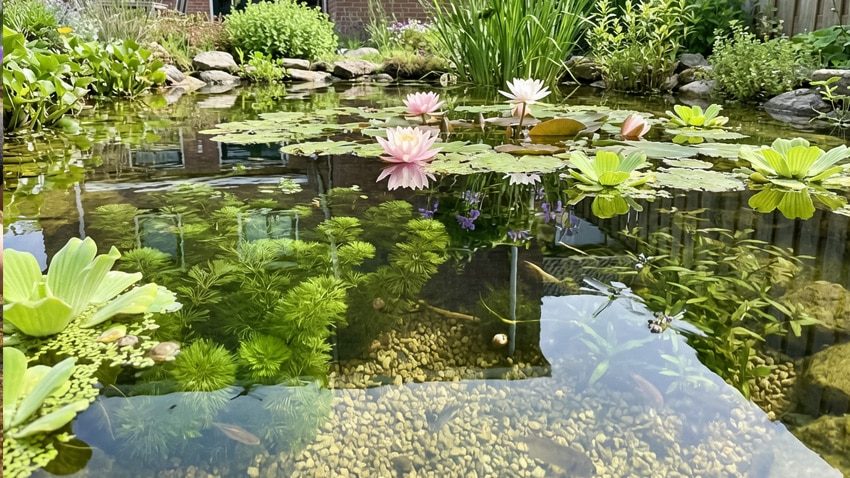
Clear water
Thanks to optimal filter performance and plant growth, your water stays crystal clear. Algae don’t stand a chance because the filter substrate breaks down nutrients immediately.
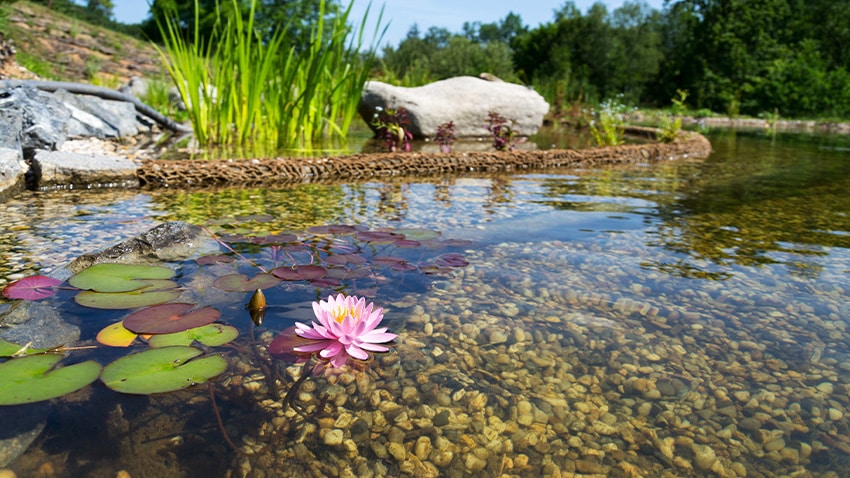
Will last a lifetime
This filter substrate never needs to be replaced. It consists of heavy, fired clay that retains its structure and contains plenty of plants and bacteria.
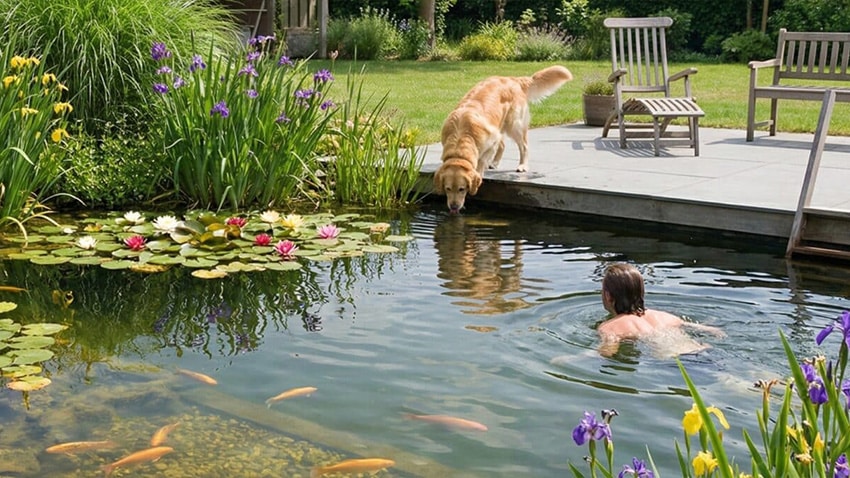
100% Eco-Friendly
Natural material with no additives. Safe for all life in and around your pond. Rinsed multiple times for instantly clear water.
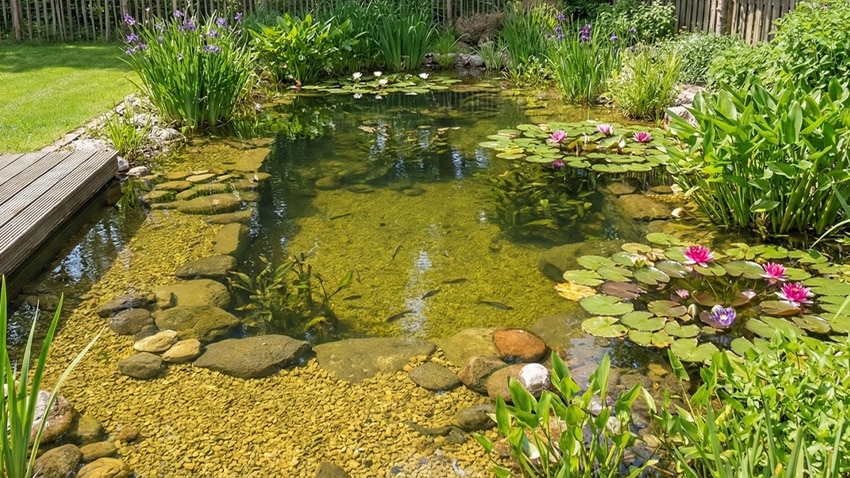
No pump required
With the right filter substrate, you don't need a mechanical filter or pump. The substrate acts as a natural filter and purifies the water at no cost.
How much filter media do you need?
You will need:
= 3 bags of 80L
Choose your STEP ONE
The foundation for filtration and robust plant growth
STEP ONE the foundation of your pond. Without a proper filter bed, the water will remain unstable.
Rule of thumb: 80 liters per square meter for a 10-centimeter layer
It’s better to use a little too much than too little. A layer that’s too thin will compromise its effectiveness.
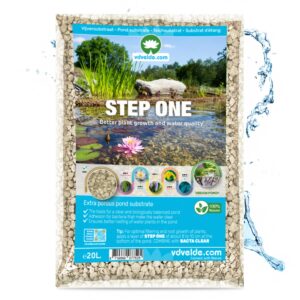
STEP ONE Pond substrate
• Heavy-duty quality: maximum filtration
• Extra porous for optimal plant growth
• 20L of substrate covers 0.25 m² at a depth of 10 cm ↥
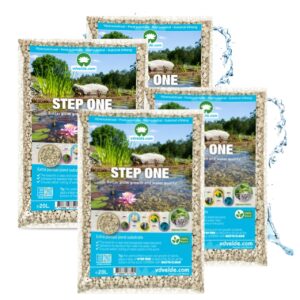
STEP ONE Pond substrate
• Heavy-duty quality: maximum filtration
• Extra porous for optimal plant growth
• 80L of substrate covers 1m² with a 10 cm layer ↥
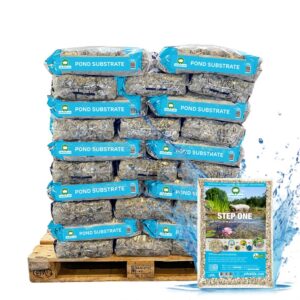
STEP ONE Pond substrate
• Pond substrate Bag volume
• Extra porous for optimal plant growth
• 60 bags cover 15 m² with a 10 cm layer ↥
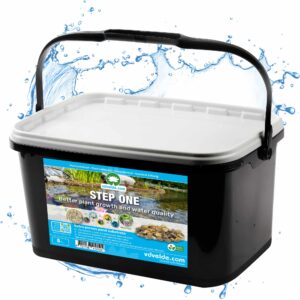
STEP ONE Pond substrate
• Heavy-duty quality: maximum filtration
• Extra porous for optimal plant growth
• 5L of substrate covers a 25cm x 10cm area ↥
What others are saying
More than 2,800 satisfied pond enthusiasts have already chosen us
Our customers give us an average rating of 4.7/5 ⭐⭐⭐⭐⭐
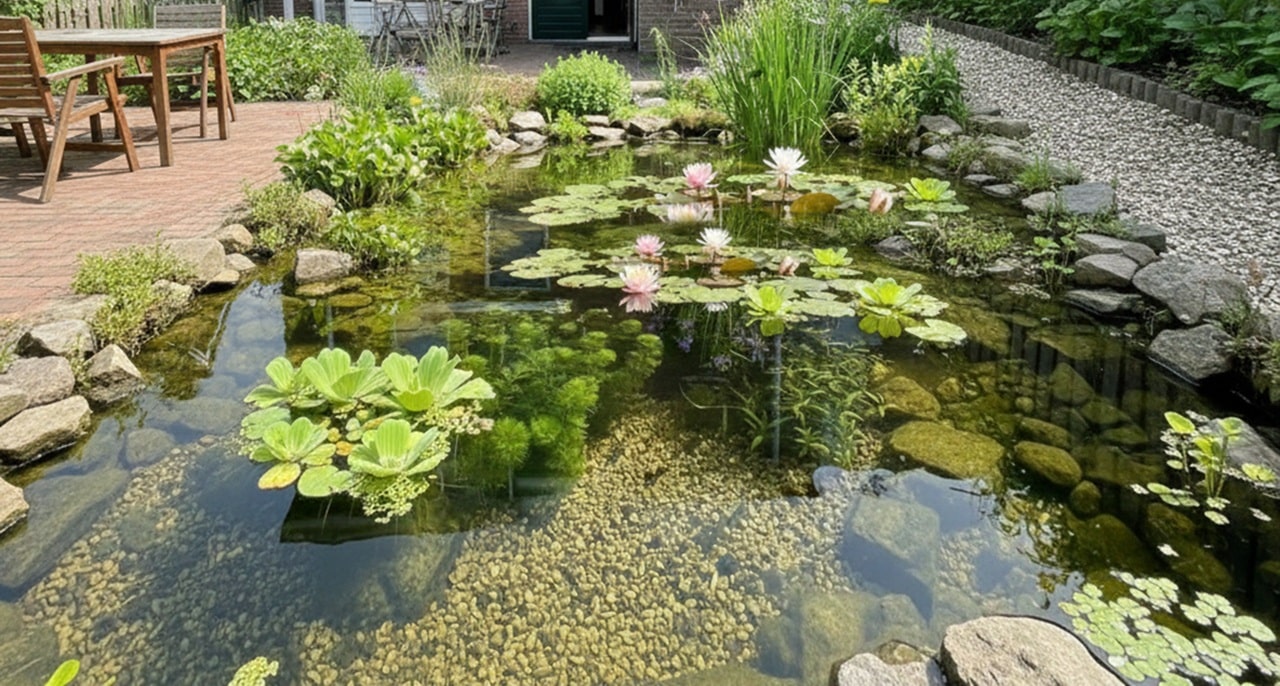
“After years of struggling with green water, I finally have clear water. The substrate works perfectly, the plants are thriving, and there’s no more algae!”
— Rob Grossem
“Delivery was fast, and spreading the substrate was easy.”
— Jan van den Berg
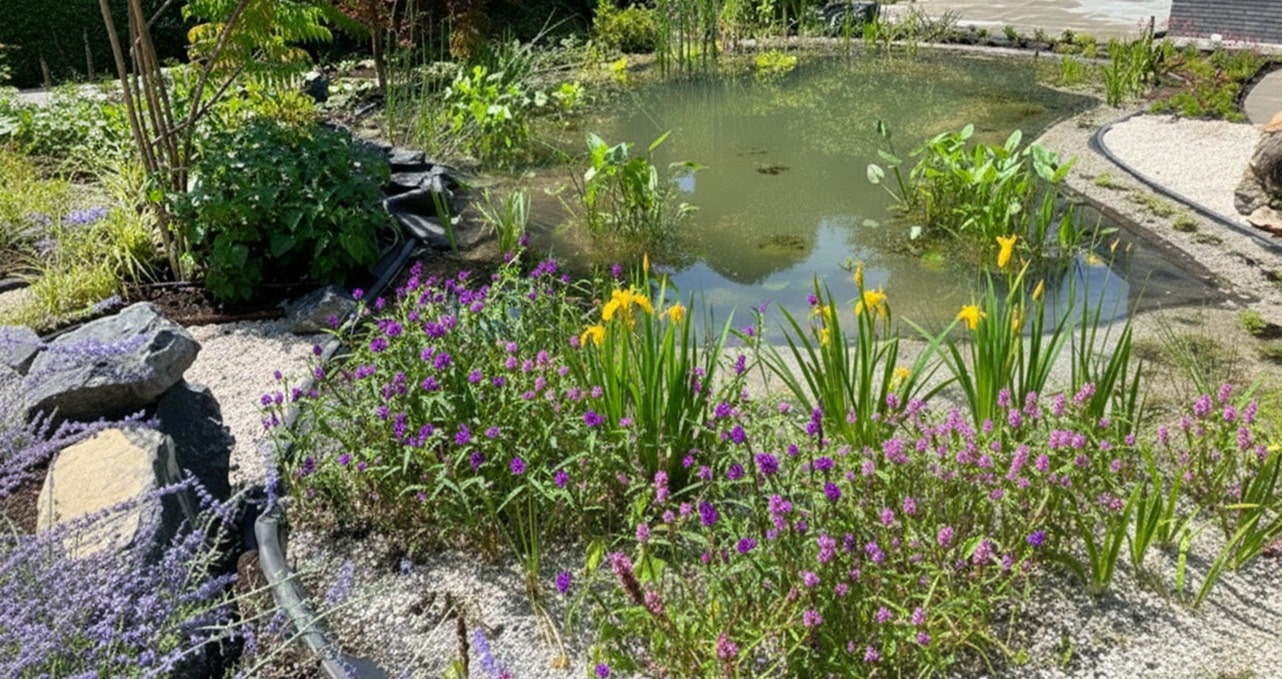
“The best investment for my pond. No pump or filter needed, and the water stays crystal clear. Just as Simon promised!”
— Louis Vermont
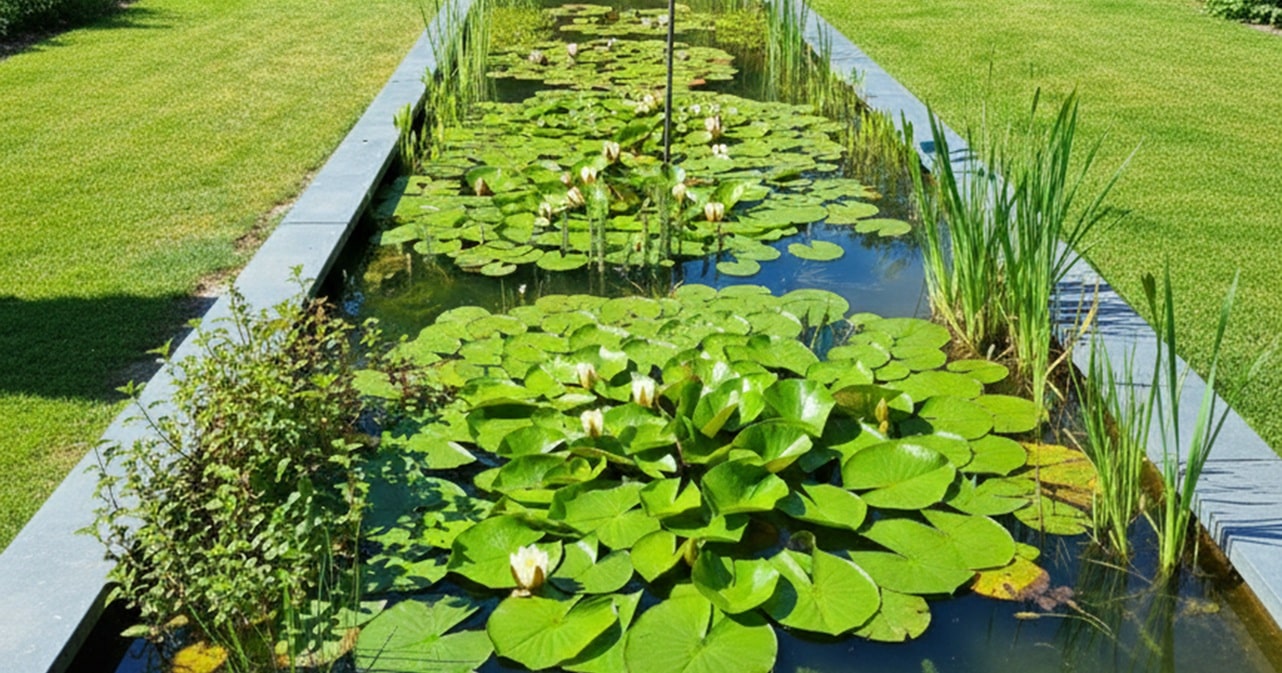
“I used cheap lava gravel at first—big mistake. With STEP ONE , it’s like night and day. Water lilies now Water lilies like crazy.”
— Rens Kraningen
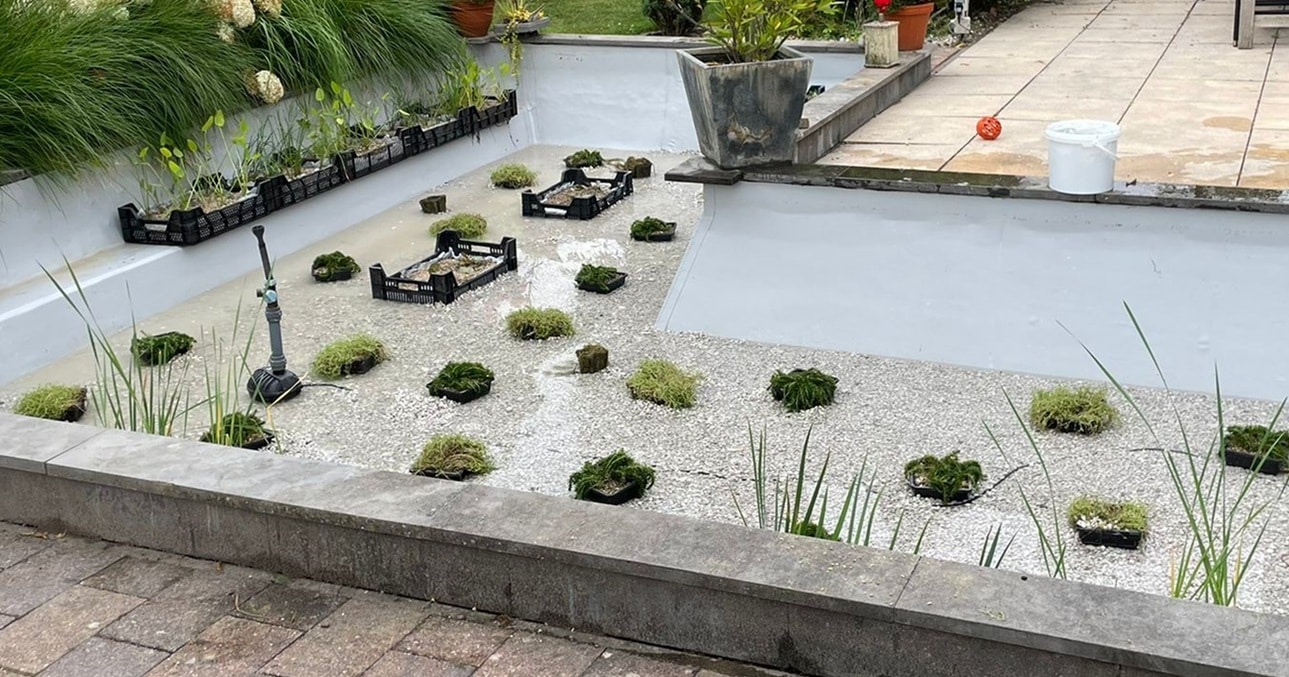
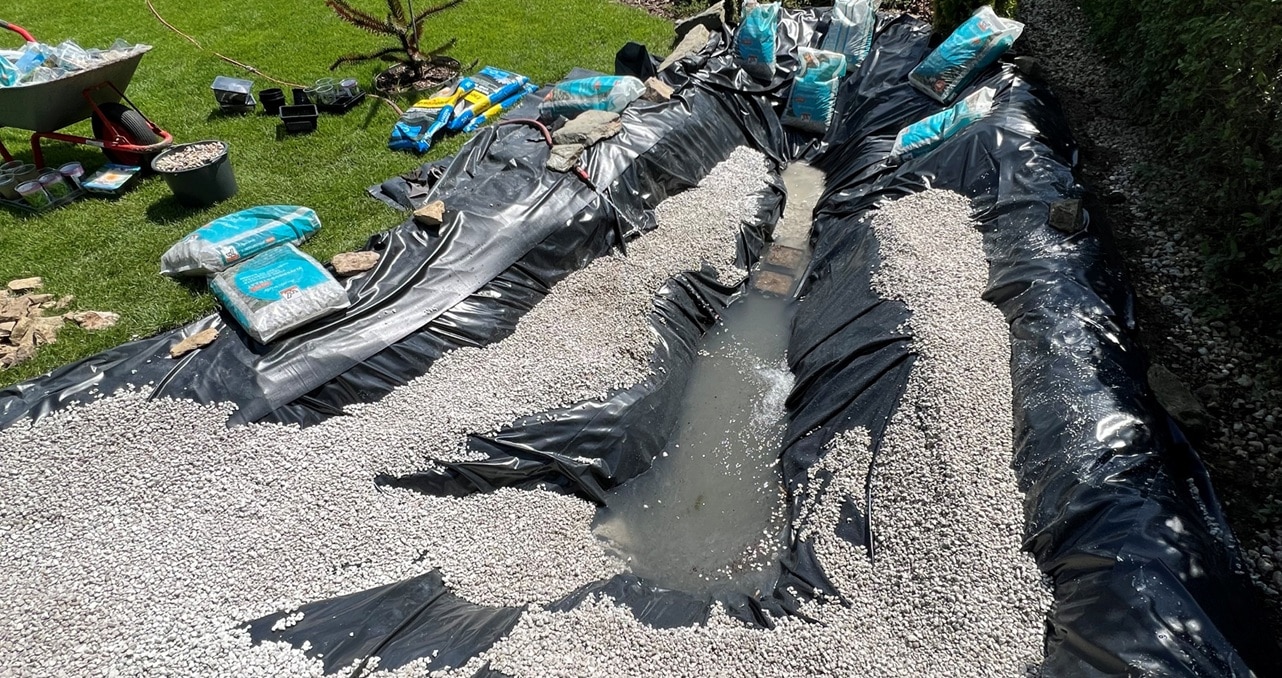
“The Step One substrate Step One on the bottom, and the plants are sitting on a 10-centimeter layer as recommended. Now it’s time to start filling the pond!”
— Lilian Keulen
Frequently Asked Questions About Pond substrate
Simon’s rule of thumb is simple: 80 liters per square meter for a 10-centimeter layer. Do you have a 3-square-meter pond? Then you’ll need 3 × 80 L = 240 liters, which is 3 bags of 80 L. Use our calculator above to get the exact amount for your situation.
I’ve tested everything: lava rock, gravel, sand, clay. STEP ONE the result of years of experimentation. It’s the only combination that both filters effectively and allows plants to thrive. Cheaper alternatives clog up or don’t provide enough support. Save yourself the frustration and choose what works right away.
No, never! STEP ONE Pond substrate a lifetime. The baked clay structure remains porous and functional as long as you have enough plants and bacteria. You make a one-time investment and you're all set.
The bacteria start working immediately after being added. After 2–3 weeks, you’ll already notice a difference in water clarity. After 6–8 weeks, your pond will have reached full biological balance and the water will be crystal clear.
Yes, you can! For best results, I do recommend draining the pond first and removing any old sludge. That way, you’ll have a clean start. If your pond is already reasonably clean, you can carefully place the substrate on top.
Absolutely! With the right combination of substrate (step 1), oxygenating plants (step 2), and Water lilies step 3), you can create a self-regulating pond. The bacteria in the substrate and the plants work together to do the job of an expensive filter—but in a completely natural way and without any energy costs.