


Step 3: Protection
Water lilies: protection against algae
Water lilies your best ally in the fight against algae. Their leaves cool the water, provide shade, and create a calm surface.
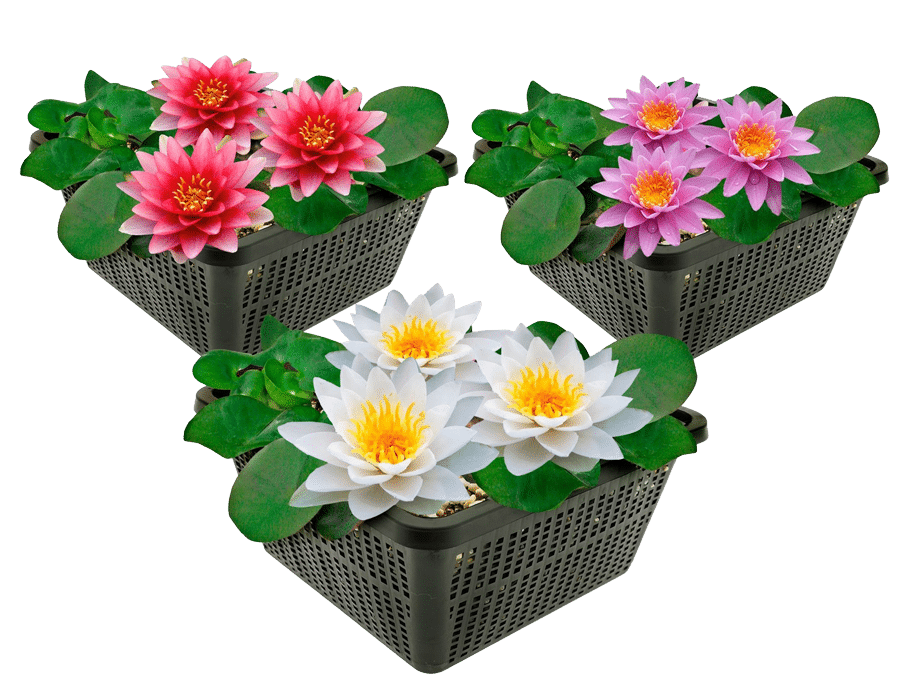
Simon's advice
At least 1 water lily
Without Water lilies , your pond Water lilies a greenhouse
Not enough shade on the water = an algae bloom caused by heat and light
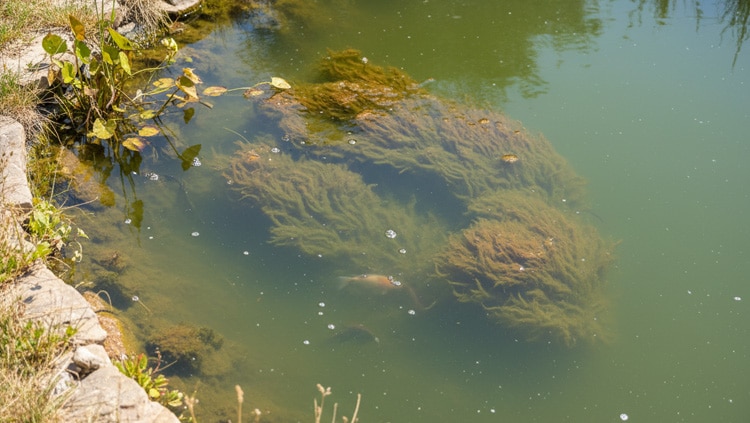
Water too hot
Without shade, the temperature rises quickly. Warm water is a breeding ground for algae and retains less oxygen.
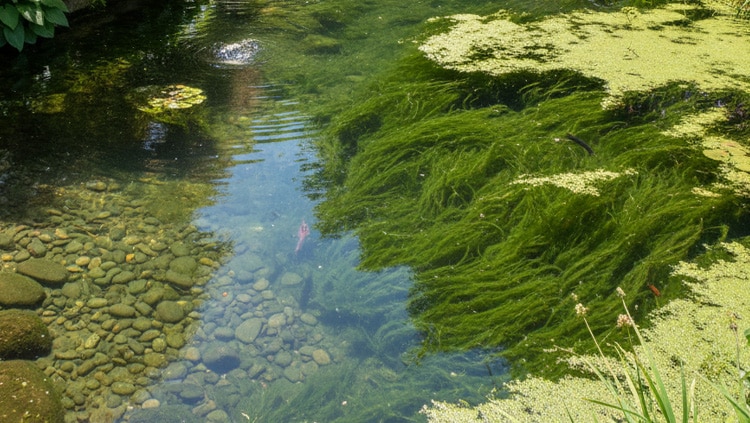
Too much sunlight
Direct sunlight provides algae with the energy they need to grow. They multiply rapidly in clear, unshaded water.
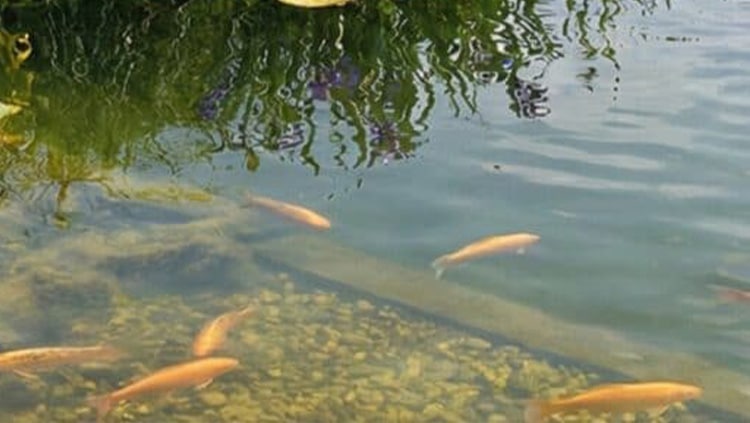
Fish have no place to hide
Herons and cats can easily catch your fish. Without water lily leaves, they have nowhere to hide.
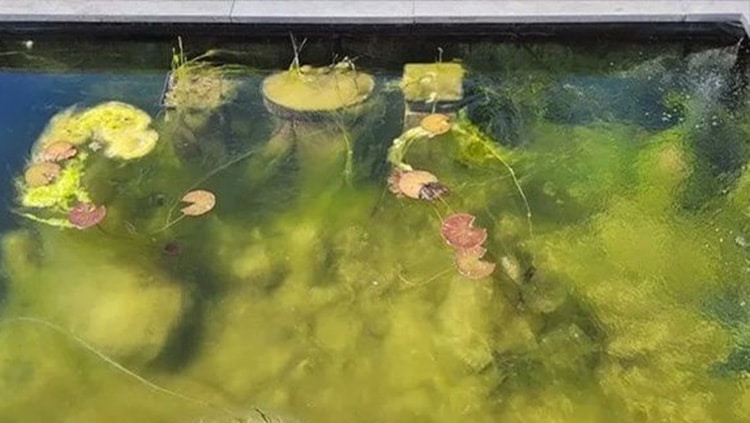
Green explosion
The combination of heat, light, and nutrients will turn your pond green in a matter of days. Algae will take over.
Water lilies a powerful ally in the fight against algae. Their leaves provide shade, which slows down the water’s warming and reduces the chances of algae growth. They create calm on the water’s surface and offer hiding places for fish and other aquatic life. A few good Water lilies make the difference between a green sludge and a calm, clear pond.
How Water lilies Protect Water lilies Pond
A natural shading system with added benefits
Shade = cooler water
Water lily leaves block sunlight. The water heats up less, which directly inhibits algae growth. Cooler water = clearer water.
Stable temperature
Fewer temperature fluctuations mean less stress for the fish and a more stable biological balance.
Extracting nutrients
Just like oxygenating plants, Water lilies consume Water lilies that algae need. Double protection!
A safe haven for fish
Fish can hide under the leaves. Herons and cats have a much harder time catching fish.
Beautiful flowers
In addition to being functional, Water lilies are Water lilies . Enjoy their colorful blooms from May through September.
100% hardy
All of our Water lilies European winters. Plant them once and enjoy your water lilies for years to come.
Choose your Water lilies
Natural protection against algae
Water lilies sunlight and keep the water cooler.
Rule of thumb: 1 water lily per 2,000 liters of pond water or 2 m² of water surface area
Less provides insufficient shade.
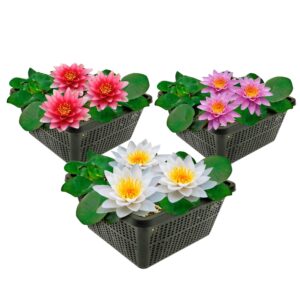
Large Water lilies
• 3-color Water lilies a basket
• Red, white, and pink
• Depth: 10 to 100 cm
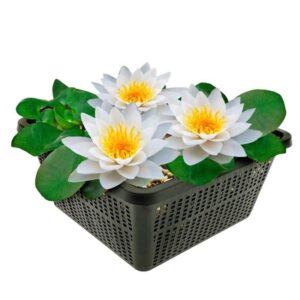
White Water Lily
• Large water lily in a basket
• Mature height: 10 cm
• Planting depth: 10 to 100 cm
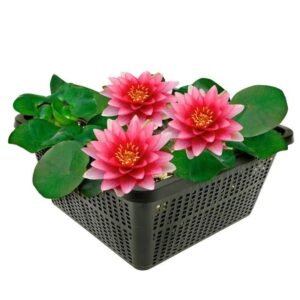
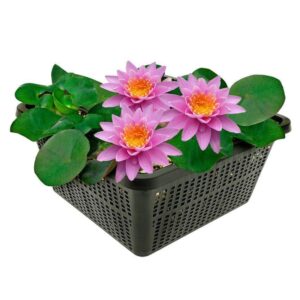
Pink Water Lily
• Large water lily in a basket
• Mature height: 10 cm
• Planting depth: 10 to 100 cm
What others are saying
More than 2,800 satisfied pond enthusiasts have already chosen us
Our customers give us an average rating of 4.7/5 ⭐⭐⭐⭐⭐
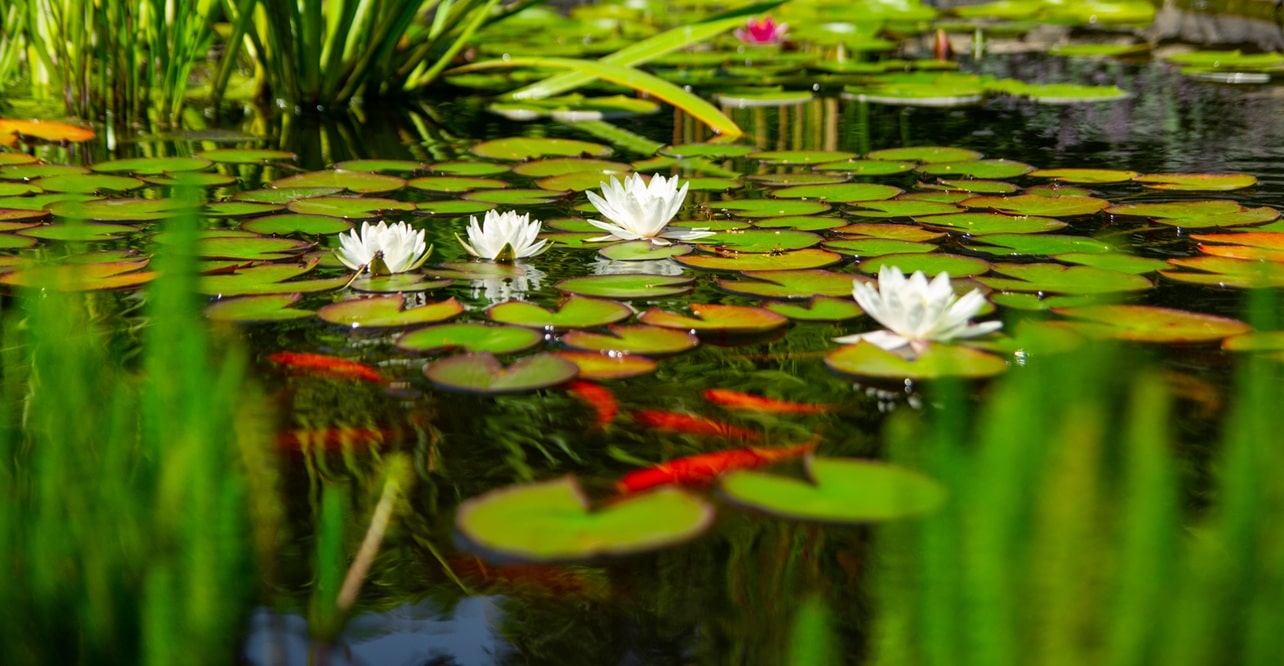
“Thanks to the lilies, the water stays cool and clear. There’s no more algae since I got them, and my fish seem happy.”
— Annemarie Kroon
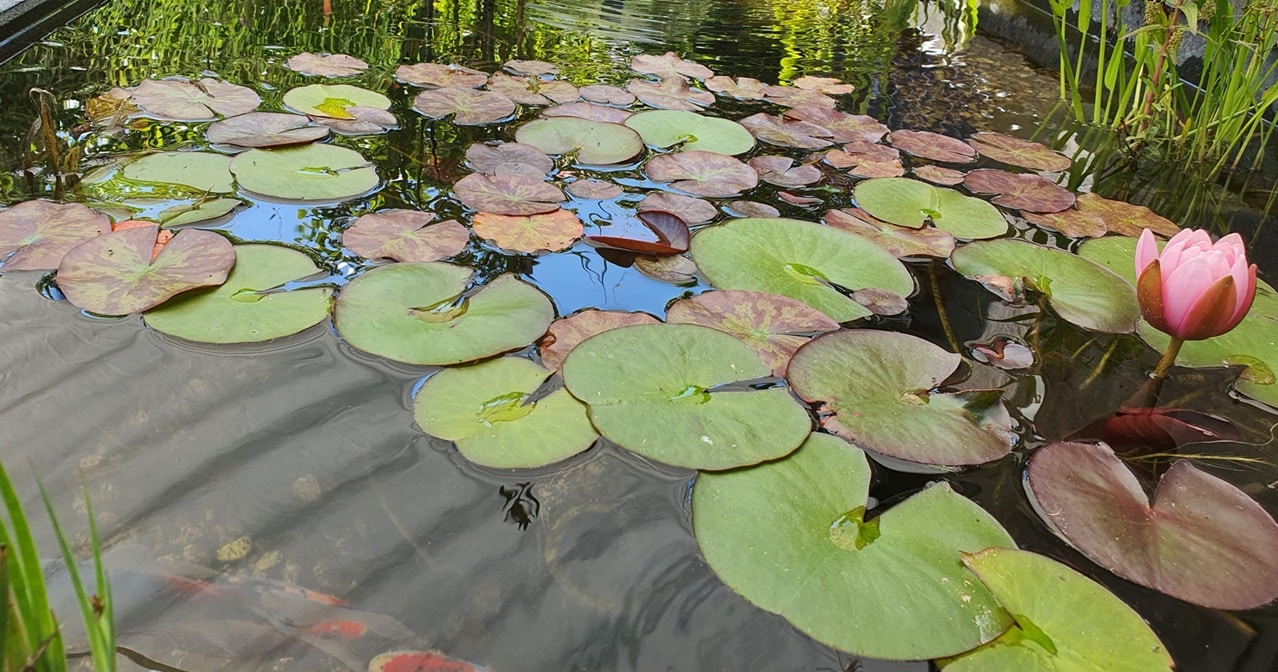
“My fish are hiding under the leaves now. The heron can’t catch them anymore!”
— Triene Thole
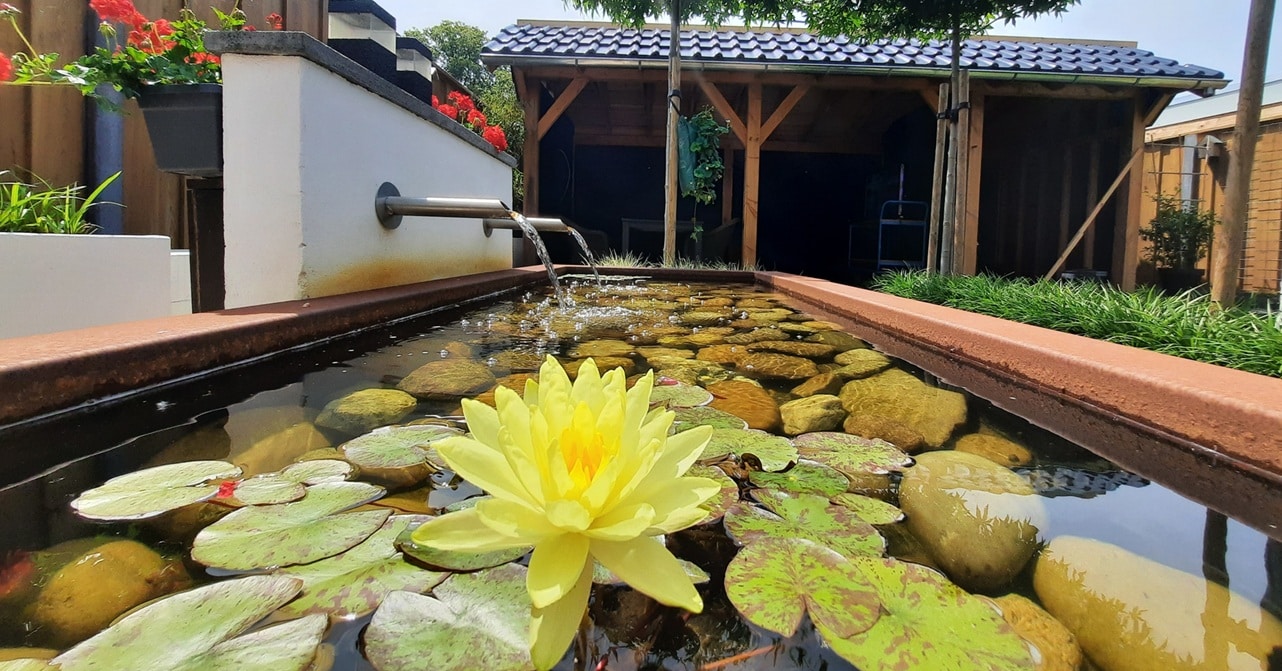
“The water stays 5 degrees cooler and the algae are gone. Enjoy it every day!”
— Robert de Roon
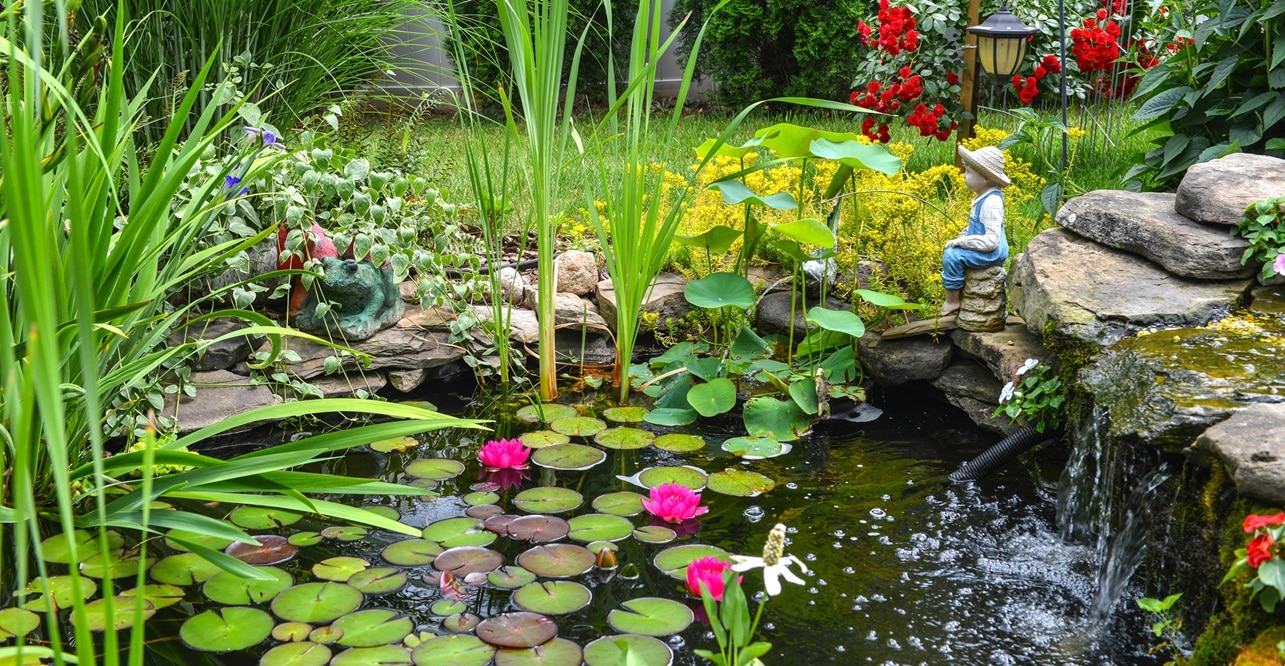
“Fast delivery and healthy Water lilies plants that come back every year.”
— Dorine Bern
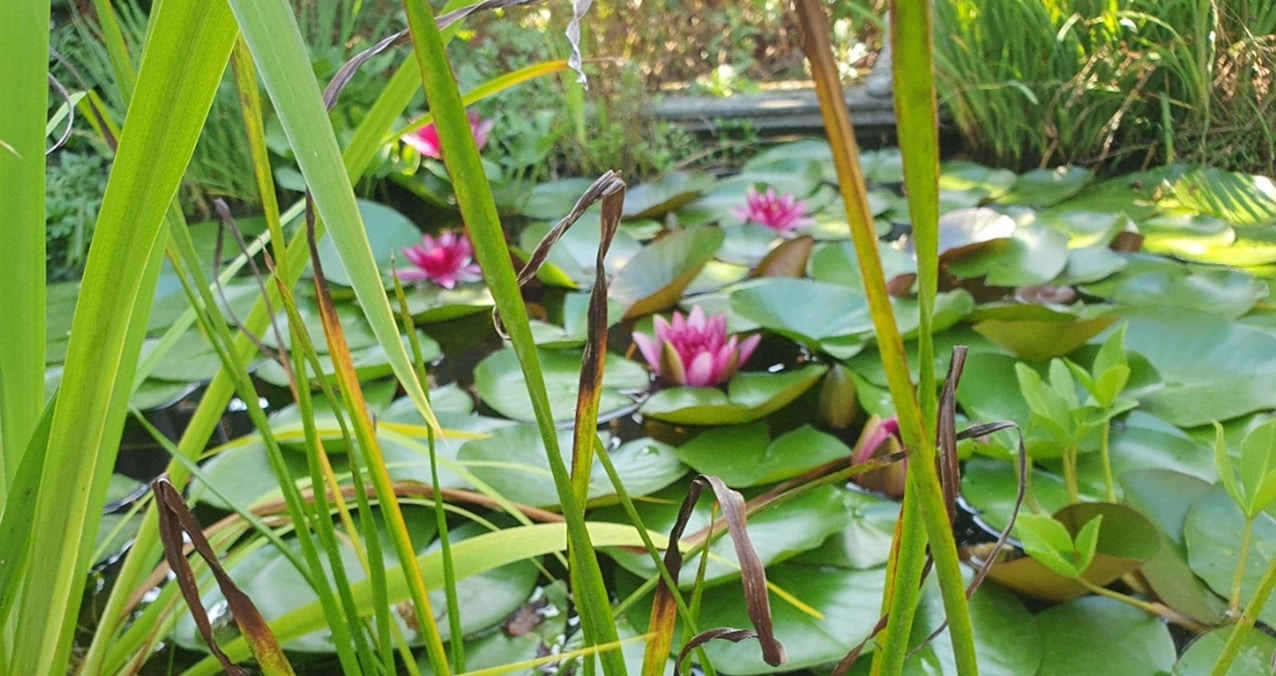
“My Water lilies blooming for the third year in a row—top-quality plants, and my pond is thriving!”
— Elize Dubois
Frequently Asked Questions About Water lilies
Simon’s rule of thumb: 1 water lily per 2,000 liters of water. Aim for at least 30% shade.
If planted in March–May: 3–4 weeks. If planted in June–July: flowers often appear within 2 weeks.
This is something many people don’t know, but a water lily can survive at depths as shallow as 10 cm—even in a plant filter. The varieties we supply can grow at depths of up to 100 cm. You sometimes hear people say they can grow deeper, but they grow much worse at those depths because it’s extremely cold and they get very little light.
Yes! Plant it in a basket with potting mix, making sure it’s at the right depth. Remove old leaves in the spring.
100% hardy. The above-ground parts die back, but the rhizome survives. It comes back on its own in the spring.
No, it's actually the other way around! They control algae by providing shade, absorbing nutrients, and cooling the water.