

Pond Construction
Pond Construction
Set up your pond right the first time, so it’s clear and balanced from day one.
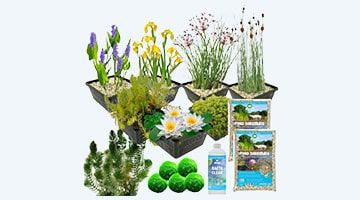
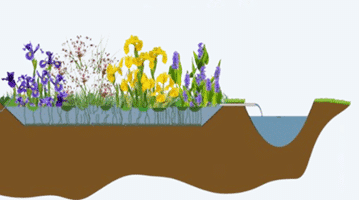

Think about the plants first, then the shape. Ultimately, the plants determine the depths, not the other way around.
Choose a spot that gets 4 to 6 hours of sunlight a day, preferably not directly under trees. Sketch out the pond to scale and mark the shore, marsh, and deep zones. This way, you’ll know exactly where to place which plants and how much substrate you’ll need.
Pond Design: The Foundation for a Successful Installation
A good start is half the battle.
Before you start digging, it’s important to first create a clear pond design.
This will help you determine not only the shape and depth, but also the right zones for plants and their placement in the sun.
A good design prevents mistakes and ensures that your pond will remain naturally balanced later on, without the need for equipment or a filter.
Building a Pond: 6 Steps to a Natural, Clear Pond
1️⃣ Choose the right spot
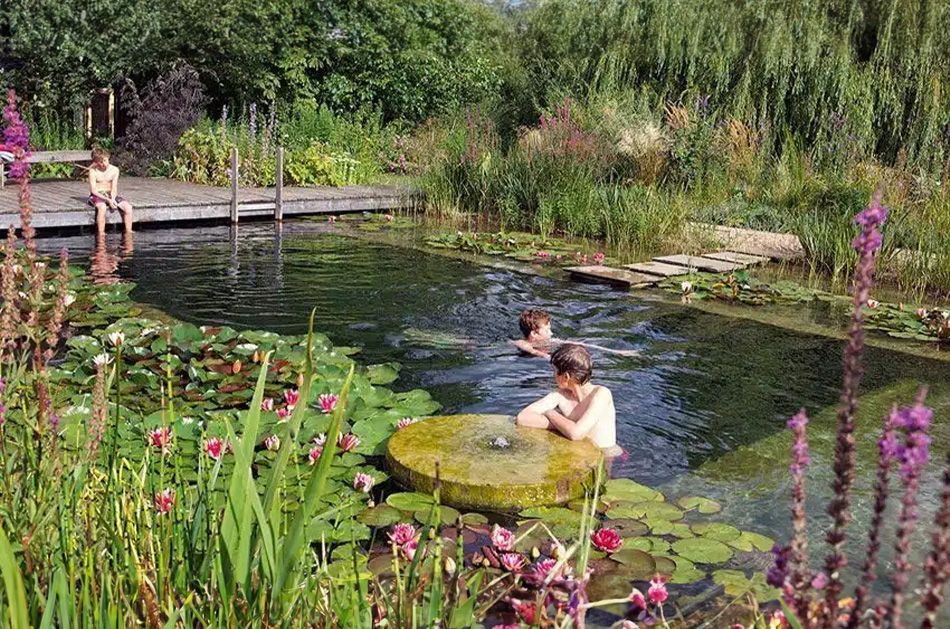
Choose a location that gets4 to 6 hours of sunlight per day.
Do not place the pond directly under trees to prevent leaves from falling into it.
Sunlight is necessary for plant growth, while shade prevents overheating in the summer.
2️⃣ Determine the shape and depth
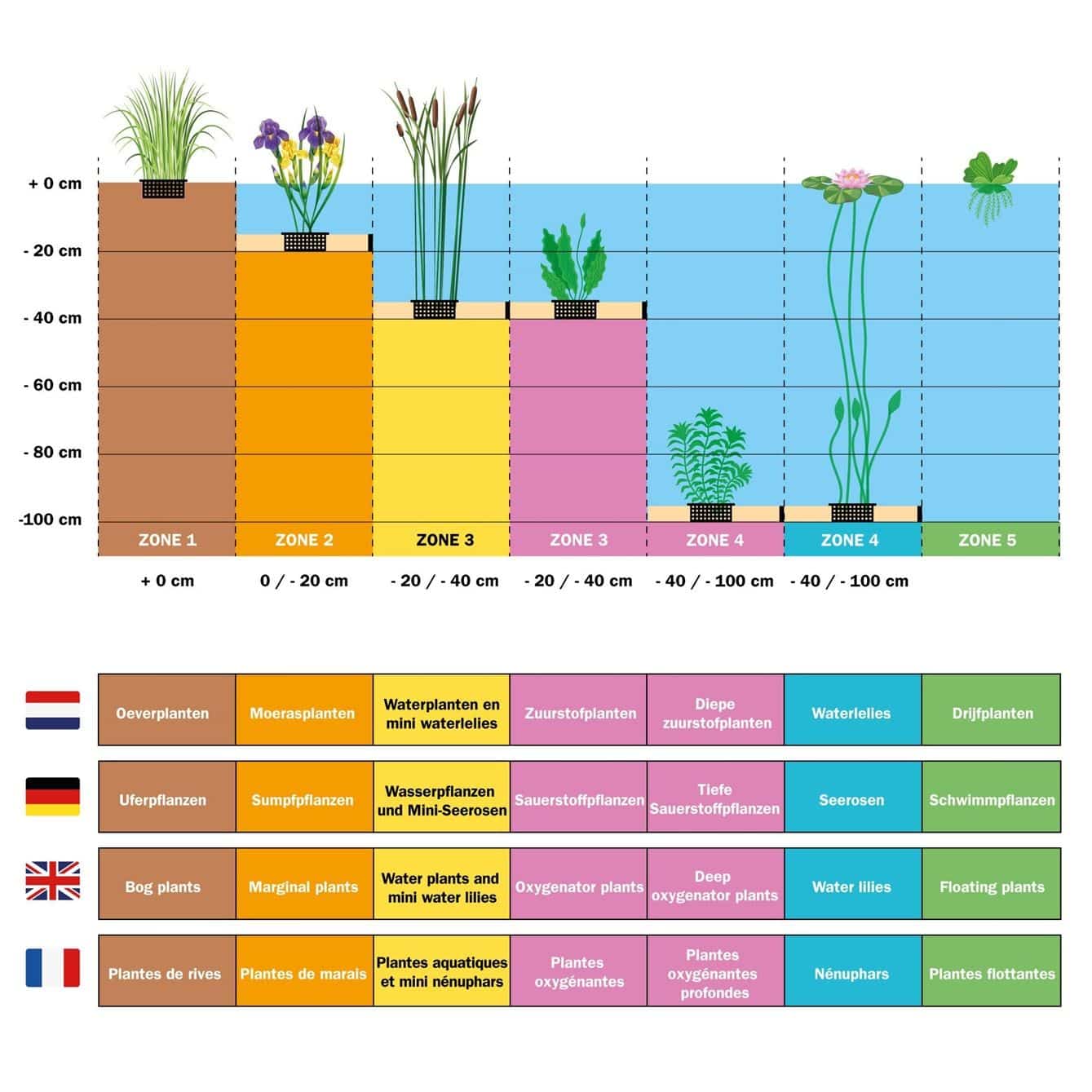
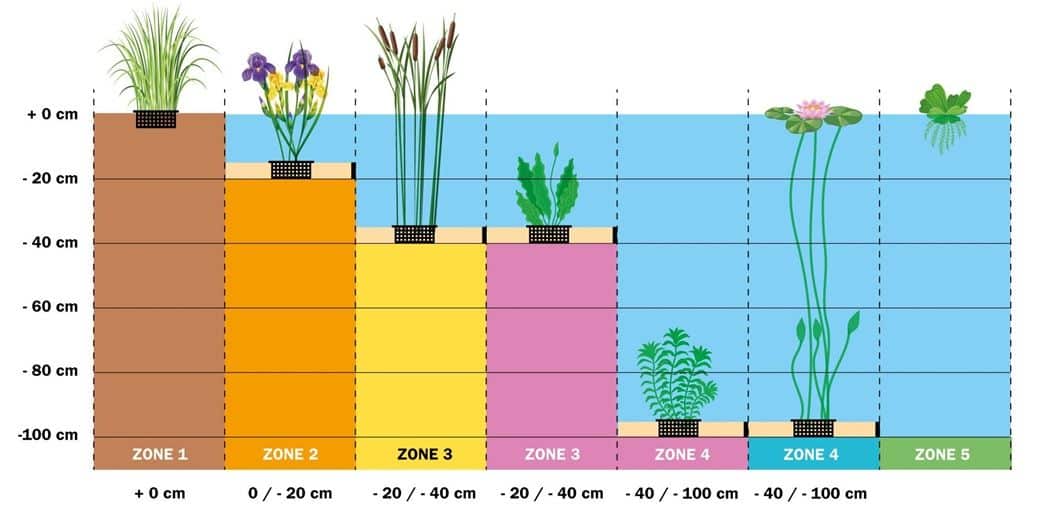
A natural pond has varying depths:
-
Riparian zone0–10 cm – riparian plants
-
Wetland zone10–20 cm – wetland plants
-
Shallow water(20–40 cm) – oxygenating plants
-
Deep water(60–100 cm) – lilies and fish overwintering
👉 Differences in depth promote biodiversity and natural filtration.
3️⃣ Place the foil or seal
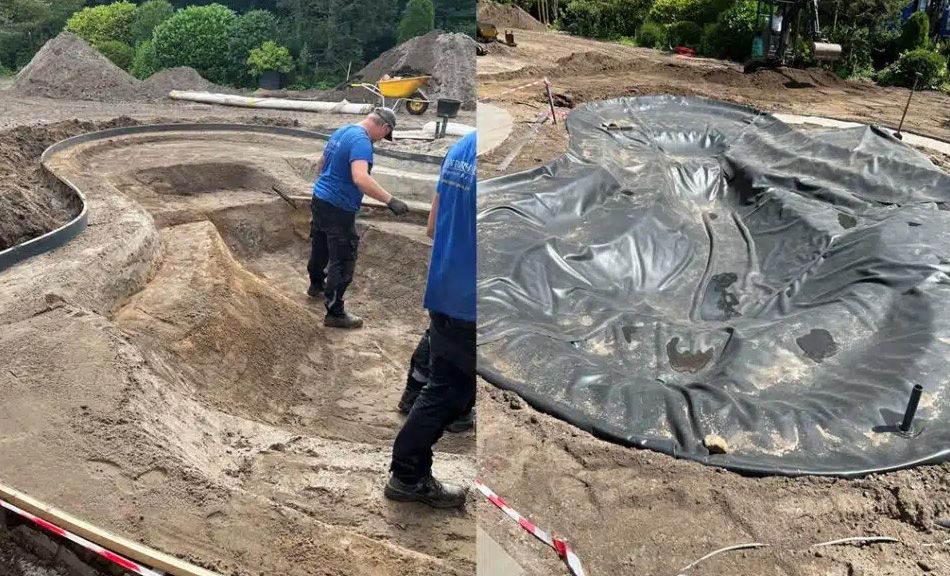
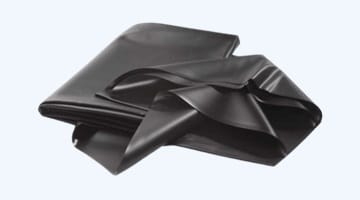
UseEPDM membraneor natural clay soil.
First, lay a protective fabric or a layer of sand under the membrane.
Allow the membrane to overlap generously at the edges so that you can neatly finish the bank later.
4️⃣ Pond substrate
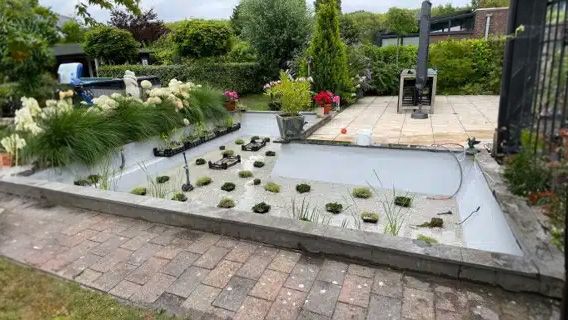
Pond substrate a layer of8–10 cmPond substrate .
This provides a foundation for plant growth and beneficial bacteria.
Never use gravel or lava rock; they contain no nutrients and do not support biological activity.
Learn more about our sustainable STEP ONE Pond substrate.
5️⃣ Planting
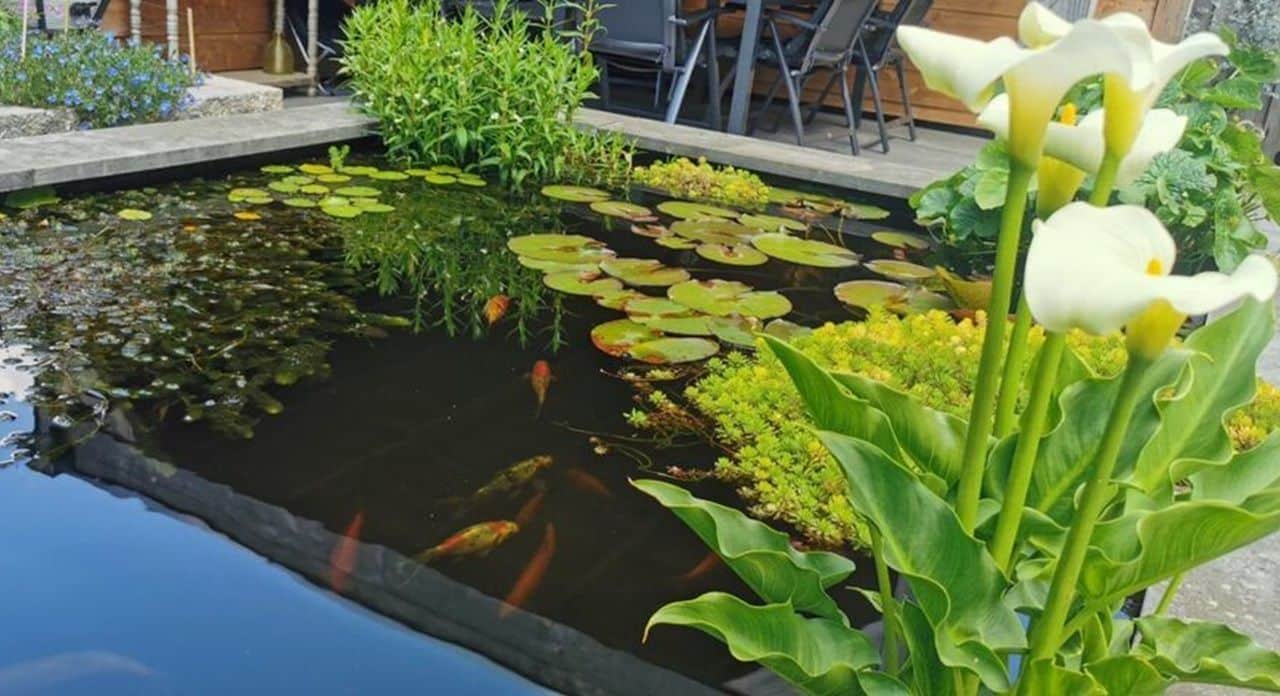
Plant a variety of species: oxygenating plants, marsh plants, Water lilies floating plants.
Together, they provide natural filtration, oxygen, and shade.
Distribute the plants throughout the different zones of your pond to create a stable ecosystem.
👉It’s better to use too many plants than too few;insufficient planting is the number one cause of cloudy water.
6️⃣ Fill the pond with water
It is best to usetap water.
Let it settle slowly so as not to disturb the substrate.
Spring water or groundwater often contains too much calcium or iron and can disrupt the balance.
Finally, add BACTA CLEAR Pond bacteria .
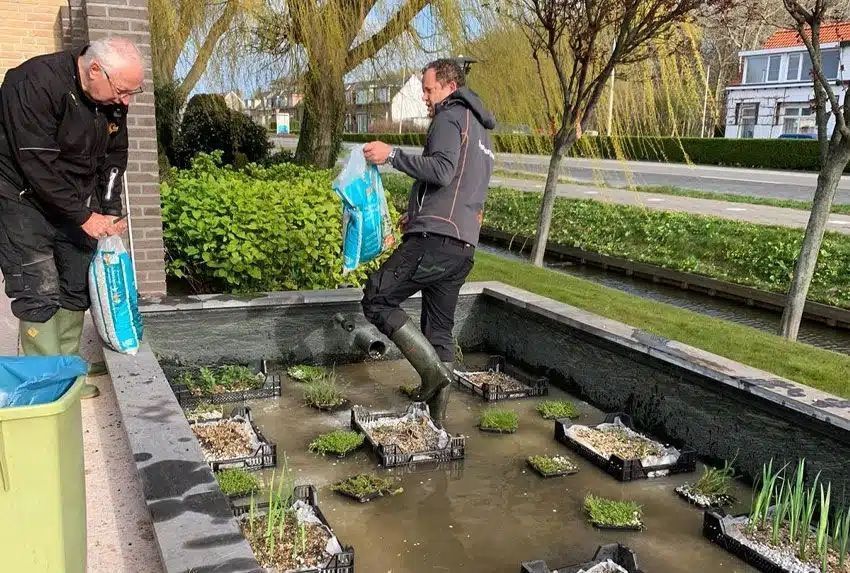
“Unfortunately, this is a common mistake: people fill the pond with water before the plants have even been put in.” – Simon van der Velde
-
Start by spreading a thin layer of substrate in an empty pond.
Then add a small amount of water so you can walk through the pond wearing boots.
Plant all the plants firmly in the substrate. -
Work from the inside out.
Start in the deepest area and work your way out step by step toward the shore. -
Check the planting depths.
Each label indicates the ideal depth for optimal growth.
If you prefer a densely planted look, you can place the baskets or crates next to each other.
Only once all the plants are firmly in place should you fill the pond completely with water.
Oxygenating plants, marsh plants, and the Pond substrate the water and keep it clear.
This creates a biological balance in which the water maintains its own equilibrium.
Simon van der Velde
🌿 The 6 essential elements for clear water
A healthy, low-maintenance pond always consists of these six components:
-
Pond substrate – a base for plants and bacteria
-
Oxygen-producing plants – produce oxygen and inhibit algae growth
-
Water lilies – provide shade and tranquility
-
Marsh plants – absorb excess nutrients
-
Pond bacteria – break down waste and keep the water clear
-
Aquatic Plant Mix – Natural Filtration for Biological Balance
👉 Check via the Clear Water Plan to see if your pond has everything it needs.
⚠️ Common mistakes when installing
-
Using too few plants
-
Do not apply any substrate
-
Planting too deep
-
Fill the pond first, then plant
-
Using the wrong type of water
Solution: Follow Simon's 6-step plan or choose a complete Pond Kit with all components in the correct proportions.
Frequently Asked Questions About Building a Pond
For a liner pond , you can expect to pay an average of about €200 per square meter.
This covers excavation, protective fabric, liner (preferably EPDM), and basic finishing.
With a good plan and the right plants, you can avoid unnecessary costs.
💡 Tip: In Simons Pond Advice , you’ll find a complete step-by-step guide to saving money smartly and getting off to a good start right away.
You can build a pond at any time of year, as long as the ground isn’t frozen.
Spring is ideal because plants take root quickly, but they can also establish themselves in the fall and come back stronger in the spring.
Our plants are available year-round from our own nursery, so you can get started at any time.
No, not if you're setting up the pond naturally.
With the right balance between Pond substrate, oxygenating plants, marsh plants, Water lilies and Pond bacteria , the water stays clear on its own.
Nature does all the work—without technology.
👉 You can read more about this in our Clear Water Plan.
A depth of 80–100 cm is ideal for a healthy biological balance.
This prevents the water from warming up too quickly and allows fish to overwinter safely.
Allow for about one fish per 50–100 liters of water (depending on the species).
Peaceful species such as shubunkins and goldfish are well-suited to a natural pond.
Fish such as koi need more space and disturb the bottom, which can disrupt the balance.
We recommend EPDM membrane.
It is durable, flexible, frost-resistant, and UV-resistant, and will last for decades.
PVC membrane is cheaper, but it ages faster and is more prone to tearing.
Always lay a layer of protective fabric or white sand under the membrane first to prevent damage.