Displaying65 of the 65 results
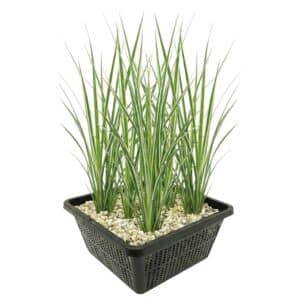
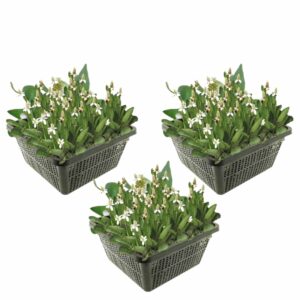
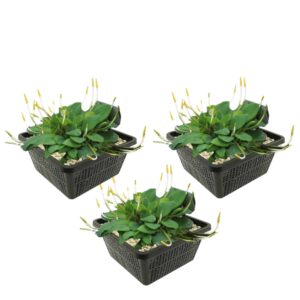
Advantage
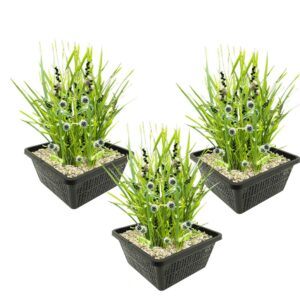
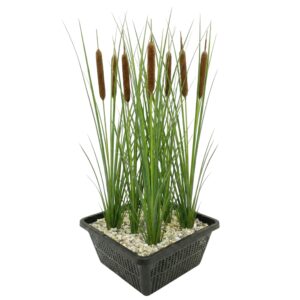
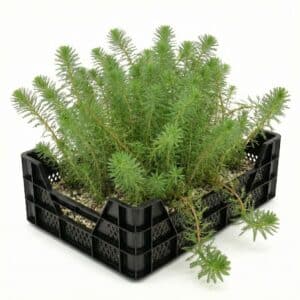
Sparganium baskets
• 12 plants
• Mature height: up to 100 cm
• Planting depth: 10 to 20 cm
Displaying65 of the 65 results
• 12 plants
• Mature height: up to 100 cm
• Planting depth: 10 to 20 cm
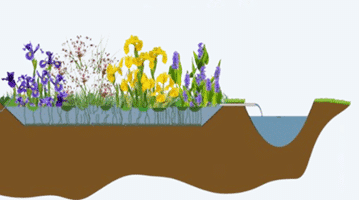
Shore plants purify pond water through their roots and grow in the shallow water along the pond’s edge. There, they absorb nutrients that would otherwise cause algae and sludge, and create a sense of calm at the transition between the water and the garden.
In addition, they provide:
natural filtration along the edge
consistent water quality
less sludge and debris
hiding places for fish and insects
Shore plants are essential for a healthy pond edge and directly contribute to the ecological balance.
Shore plants function differently from oxygenating plants or Water lilies. They are specifically designed for the shallow areas along the edge of the pond.
While oxygenating plants work mainly in the water itself and Water lilies provide Water lilies , shore plants tackle the problem right where much of the pollution originates: along the edges.
That is why riparian plants are essential for:
ponds without a plant filter
ponds with a lot of fallen leaves
ponds where algae tend to form along the edges
natural and ecological ponds
When it comes to riparian plants, there’s one golden rule: better too many than too few.
Too few riparian plants means:
insufficient edge filtering
stagnating growth
increased risk of plant mortality
little to no visible results
In practice, this often means you have to replant. That’s more expensive than using enough plants the first time around. Using too many plants isn’t a problem. You can always easily remove any excess plants, though that’s almost never necessary.
More plants means:
faster performance
more stable water quality
less chance of algae growth
less maintenance
That's why the same rule applies here: more is better.
To make this as easy as possible, we offer two varieties of riparian plants.
This option is ideal if you:
uses substrate
want to create a natural riparian zone
want to decide on the layout yourself
Individual plants offer maximum flexibility and are suitable for longer banks.
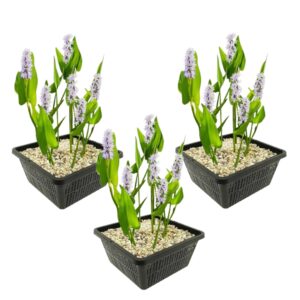
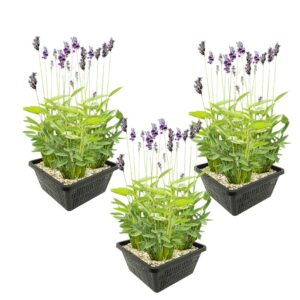
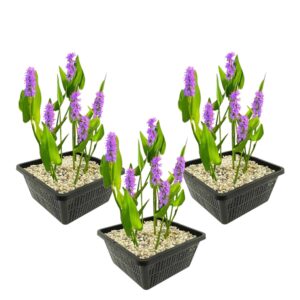
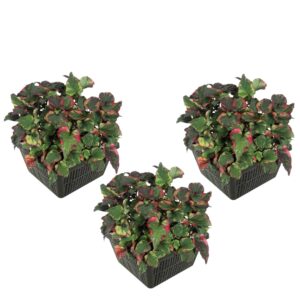
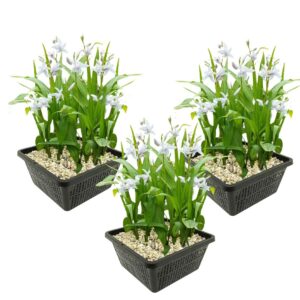
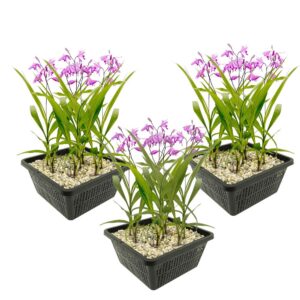
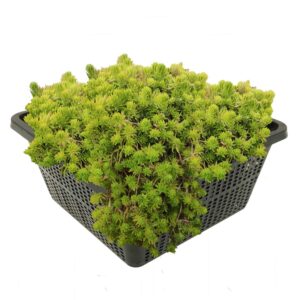
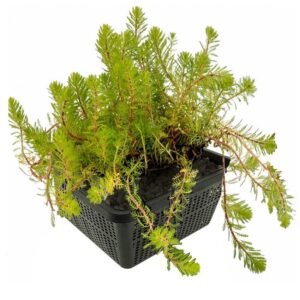
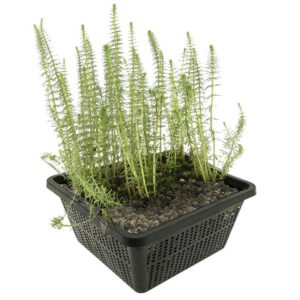
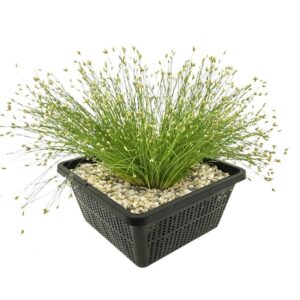
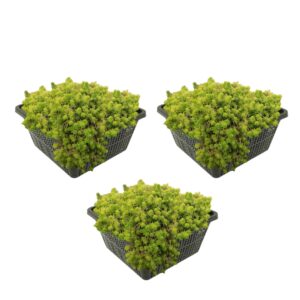
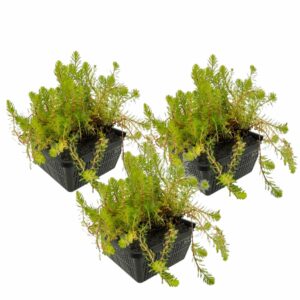
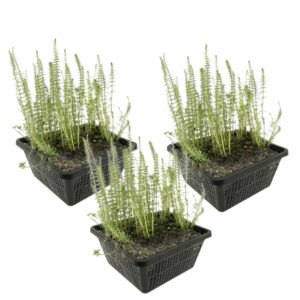
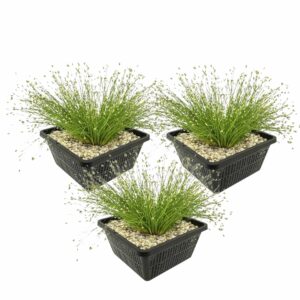
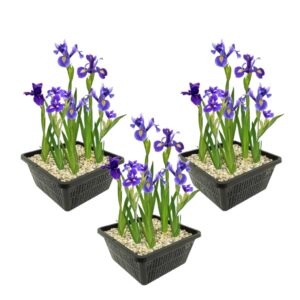
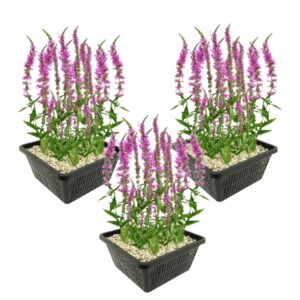
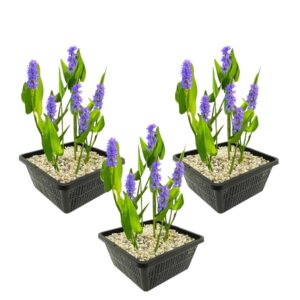
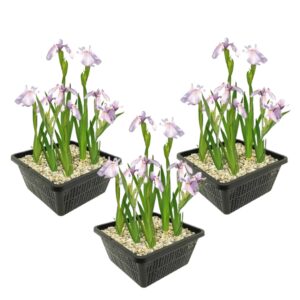
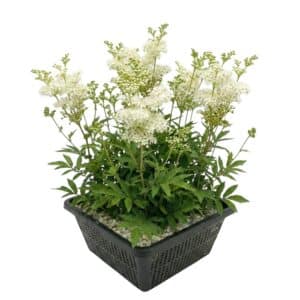
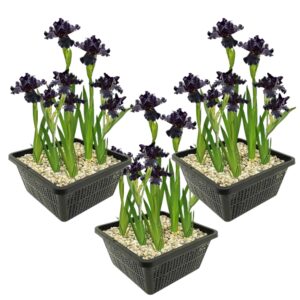
These plants are sold in sets of four in a 19 × 19 × 10 cm basket.
This is ideal if you:
you don't have a separate bank
want to place right next to the pond
do not want to apply a substrate
You can place the baskets directly in the water, where they immediately provide a stable base along the edge.
Do you use substrate or a natural bank?
→ choose Loose Aquatic plants
No border, no substrate, or planting directly along the pond?
→ select Aquatic plants a basket
No matter which variety you choose, always make sure you have enough of them. That’s what determines the outcome—not just the type of plant.
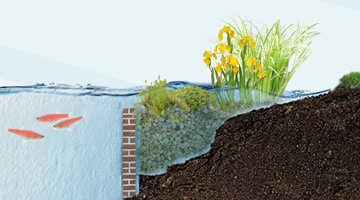
Shore plants are most effective when combined with low-growing oxygenating plants.
While riparian plants primarily filter along the edges, low-oxygen plants compete directly with algae in the shallow water. They limit sunlight and enhance the function of the riparian zone.
This combination creates a stable system in which nutrients are absorbed before algae can grow.
Recommended low-growing oxygen-producing plants
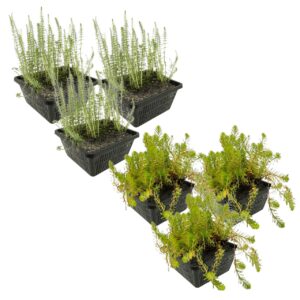
• 24 plants for 2–3 m²
• Controls and prevents thread algae
• Placement: 1–20 cm
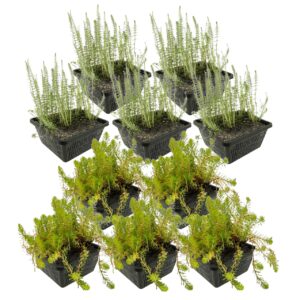
• 40 plants for 4–7 m²
• Controls and prevents thread algae
• Placement: 1–20 cm
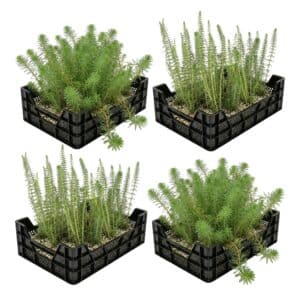
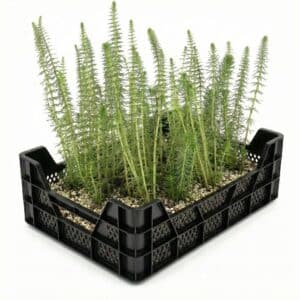
• 12 plants per crate (60x40x16 cm)
• Mature height: 30 cm
• Planting depth: 1 to 20 cm
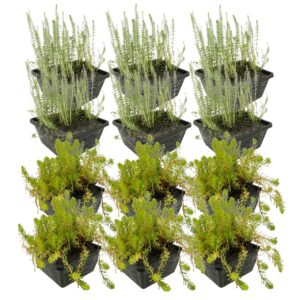
• 84 plants for 8–12 m²
• Combats and prevents thread algae
• Placement: 1–20 cm